Policy

Purpose
To achieve the policy team mission, we will provide information and input on policy and legislation that affects the disability community. This will be done through developing and maintaining relationships with state and federal legislators as well as other professionals and community members. In addition, the team will work with stakeholders to produce content that will inform and educate professionals and the broader community.


Priorities

Our priorities at the Institute reflect our core goals and current projects.

Housing
A man in a wheelchair sits in the middle of his house enjoying accessible technology.
Affordable and accessible housing are critical for many individuals with disabilities. Here at the IDRPP, we have projects that support independent living through assistive technology and supporting direct support professionals who provide in-home supports to be person-centered and increase independence. You can learn more by visiting and the Utah Assistive Technology Program and the Intermediate Care Facilities to Home and Community-Based Services project.

Early Intervention
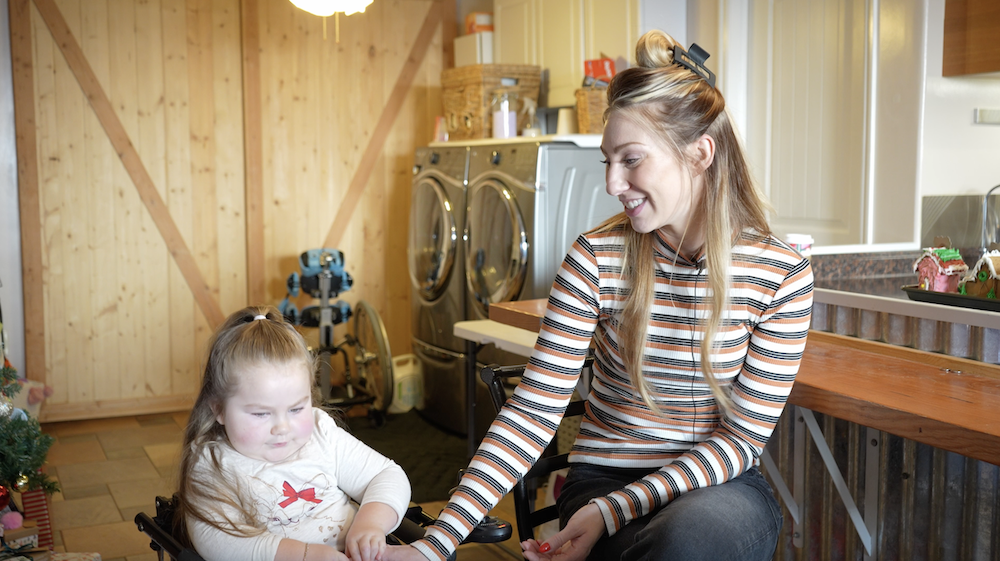
A woman sits next to her daughter who is in a wheelchair.
The IDRPP provides early intervention services to Utah children and their families throughout Utah. These services address the needs of families and children and can include physical therapy, occupational therapy, speech/language therapy, eating and nutrition services, hearing and vision, and specialized instruction for children under the age of three who are at risk for Autism Spectrum Disorders. We believe that early intervention services are a key component of  lifelong development and success. You can learn more by visiting Cache County Maternal, Infant, and Early Childhood Home Visiting Up to 3 Early Intervention , South East Early Intervention, and our Early Intervention Advocacy and Awareness page.

Mental Health
A diverse group of people sit in a group.
Individuals with disabilities report greater mental health concerns than individuals without disabilities. To increase awareness and support, the IDRPP has several projects related to mental health and individuals with intellectual and developmental disabilities including ones supporting those providing services to individuals with disabilities both on the disability and mental health sides and projects that provide resources to people with disabilities and their families who are experiencing mental health concerns. You can learn more by visiting The Center for Mental Health Promotion, the Mental Health and Intellectual and Developmental Disabilities Training Initiative, and Mental Health Literacy Trainings pages.

Employment
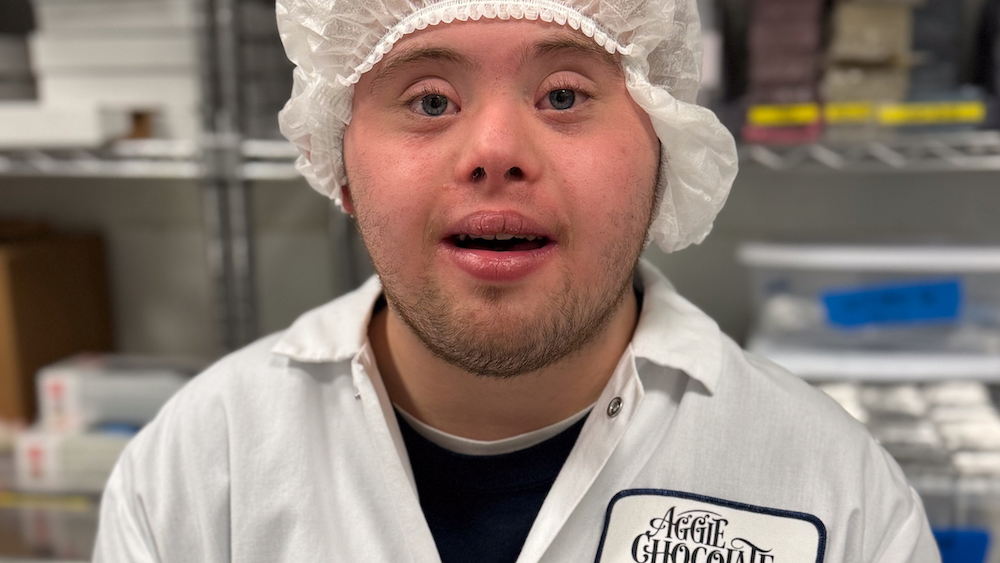
A young man wears a hair net and an Aggie Chocolate uniform.
The IDRPP believes that everyone has the ability to achieve competitive integrated employment. We have programs related to supporting individuals with disabilities find and maintain employment as well as train the direct workforce who provide employment services and supports. Additional projects related to employment include research projects looking at the efficacy of employment services and supporting educators who work with students with disabilities to explore employment. You can learn more by visiting the Center for Employment and Inclusion and the EmployAbility Clinic.

Transition
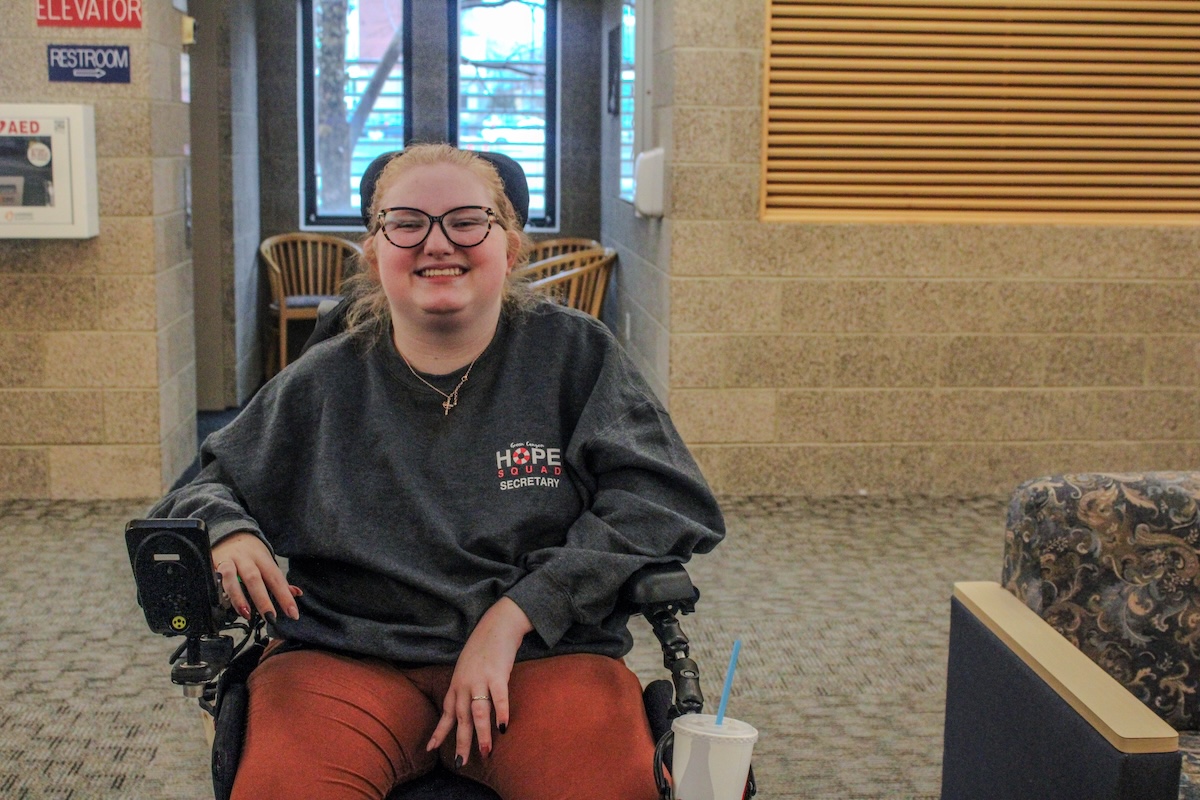
A young woman sits in a wheelchair smiling.
Transitioning from school to the adult world can be complicated and scary for many students. Here at the IDRPP, we believe that with the right services and supports, students with disabilities can transition into post-secondary education, employment, and independent living opportunities that promote meaningful experiences. We have programs that support special educators who work with transition-aged students and families as they explore life after school services and programs that support current students to have employment experiences. You can learn more by visiting TAESE, the EmployAbility Clinic, and the Work Based Learning Development Project.