
Partners In Disability Research, Advisory Board
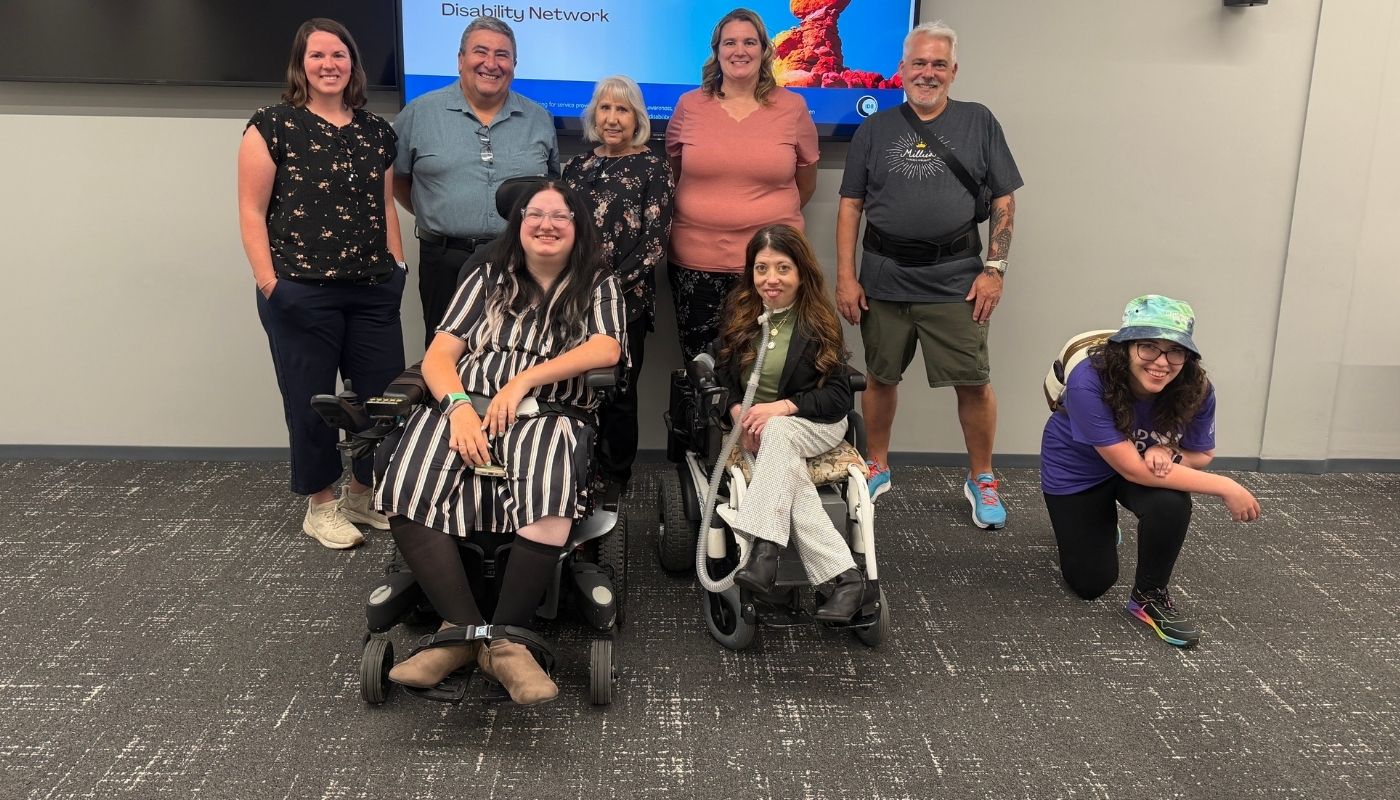
The Partners in Disability Research is the IDRPP's Research Advisory Board. Members are individuals with disabilities and family members who play an important role by ensuring our research is meaningful, brings in all perspectives, and is helpful to people with disabilities. Members provide feedback on research projects, grant proposals, and strategies for sharing research results.


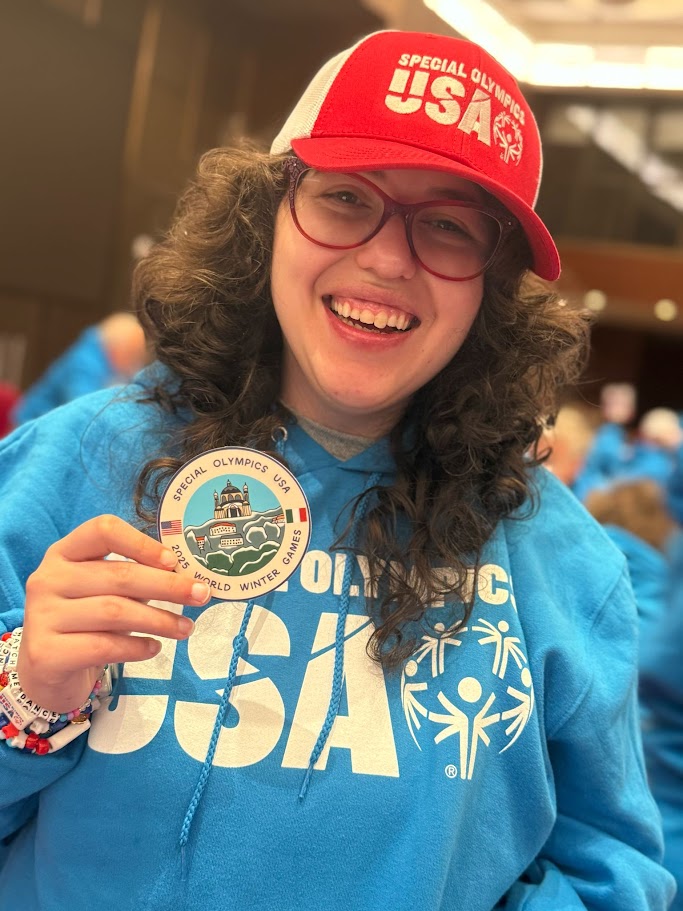



Partners in Disability Research Coordinator
Program Coordinator Phone: 435-797-4248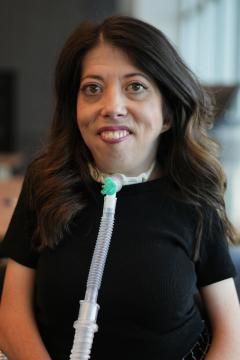
Email: kelie.hess@usu.edu
Do you want feedback from the Disability Research Advisory Board?
Would you like our feedback on a project? You can request our feedback through this survey!
This framework is designed to help researchers meaningfully engage individuals with disabilities in providing input on research studies, methods, materials, and processes. The goal is to support accessible, inclusive, and community-informed research practices by creating structured opportunities for feedback before and during the research process. Below you will find common areas of feedback and our feedback matrix.
Bringing Disability Perspectives into Your Research
Thank you for reaching out to IDRPP Partners in Disability Research to provide feedback to your research. Including the perspectives of people with disabilities in research planning and design helps ensure that studies are accessible, relevant, respectful, and responsive to real-world experiences. Engaging community members with disabilities throughout the research process can improve the quality, equity, and impact of research while helping ensure that research practices and outcomes better reflect the needs and priorities of the communities most impacted.
Considerations for Inclusive Design and Common Areas for Feedback
| Areas | Questions |
|---|---|
| Research Questions and Priorities |
|
| Recruitment and Outreach |
|
| Consent Process |
|
| Study Materials and Communication |
|
| Data Collection Methods |
|
| Participant Experience |
|
| Accessibility and Accommodations |
|
| Compensation and Incentives |
|
| Dissemination and Sharing Results |
|
Example of Feedback Matrix
| Research Area | What the Researcher Shared | Reviewer Feedback | Barrier or Concern Identified | Suggested Change | Priority Level |
|---|---|---|---|---|---|
| Recruitment Materials | Flyer and email invitation | Language is too technical | May discourage participation | Use plain language and shorter sentences | High |
| Consent Process | Online consent form | Difficult to navigate with screen reader | Accessibility barrier | Revise document formatting | High |
| Interviews | 90-minute interview plan | Session may be too long | Fatigue concern | Offer breaks or shorter sessions | Medium |