
Trainings
The Disability & Healthy Relationships team, including input from the Utah Developmental Disabilities Council and staff from Utah State University's Institute for Disability Research, Policy & Practice, work to host the following trainings. They are appropriate for individuals with disabilities, caregivers, and service providers.
Image source
There is a general lack of awareness and capacity around supporting healthy relationships and sexuality education for individuals with disabilities. This monthly ECHO training series is primarily for professionals who provide services or support to individuals with disabilities, in any capacity. In it, presenters and participants will share important information, education, and resources about the intersection of disability and healthy relationships, sexuality, consent, and abuse prevention to increase the knowledge and capacity of professionals who work in various fields. Attendees will be better equipped to share accurate information, resources, and support for individuals with disabilities.
2026-2027 Series Schedule
| Date | Subject Matter Expert | Session Videos | Handouts |
|---|---|---|---|
| March 12, 2026 | Alex Schiwal | Disability & Abuse This month's presenter, Alex Schiwal, Ph.D, presented data related to individuals with disabilities and rates of abuse from a Utah needs assessment, along with ideas of how to better educate and empower survivors. After the presentation, the group discussed some community questions together. |
Session Summary (PDF) and Slides (PDF) |
| April 9, 2026 | Kye Doran & Alix Herer | Pregnancy and Intellectual & Developmental Disabilities In this session, Kye Doran and Alix Herer, who work on the Pregnancy Decisions App project from Oregon Health & Science University, presented about reproductive life planning for people with intellectual/developmental disabilities (IDD). They are gathering survey responses about what information would be most useful in a pregnancy app specifically for people with IDD, and invited participants to share among their networks. |
Session Summary (PDF) and Slides (PDF) |
| May 14, 2026 | Erin Meottel | Abuse: Prevention, Signs, & Reporting Erin Meottel from Peace House in Utah presented about how different forms of abuse show up for people with disabilities of different ages, including signs to watch for and how to approach reporting in the state of Utah. |
Session Summary (PDF) and Slides (PDF) |
| June 11, 2026 | Alexandria Acor & Raven Burton | Sexuality & Ableism The June 2026 ECHO meeting focused on ableism and sexuality, featuring presenters Alexandria Acor and Raven Burton from the Utah Parent Center. Raven discussed ableism's pervasive nature, its impact on individuals with disabilities, and the importance of intersectionality. Alexandria highlighted internalized ableism and the need for comprehensive sex education. They emphasized the significance of consent, autonomy, and trauma-informed care. The discussion also covered the challenges of implementing sex education in schools and the importance of community support. Participants shared personal experiences and strategies for addressing ableism and promoting inclusive sexuality education. |
Session Summary (PDF) and Slides (PDF) |
| July 9, 2026 | Morrigan Hunter | Disability & Sexuality: Addressing Professional Biases The July 2026 ECHO session on Disability and Healthy Relationships focused on addressing professional bias in sexual health education for people with disabilities. Morrigan Hunter, a queer disabled social worker, presented findings from an analysis of 18 articles on sexuality education, revealing a strong emphasis on risk reduction and a lack of LGBTQ+ inclusion. Only two articles involved people with disabilities in curriculum development. Strategies for addressing these biases include consulting the National Sex Ed Standards, involving disabled leaders, and using theoretical frameworks like crip theory and disability justice. The session highlighted the need for comprehensive, inclusive sex ed to empower individuals with disabilities. |
Session Summary (PDF) and Slides (PDF) |
| September 10, 2026 | Nova McGiffert | Consent & Boundaries: Tools for Empowerment This session features Nova McGiffert (Healthy Sexuality Project Coordinator, Institute on Disabilities at Temple University) presenting on consent and boundaries for people with intellectual and developmental disabilities. She covers moving from a "compliance culture" to a "consent culture," practical strategies for supporting AAC users (like making sure "yes," "no," and "stop" are available on communication devices), everyday ways to build consent skills into daily routines, and a free hands-on tool called the Boundaries Dice for practicing these conversations. The session also tackles common myths (like the idea that "mental age" limits someone's capacity to consent) and wraps up with breakout discussions on real-world challenges from legal restrictions on sex ed to generational pushback from caregivers, and creative ways to make the topic approachable, like using movies to spark conversation. |
Session Summary (PDF) and Slides (PDF) |
| October 8, 2026 | Lynne Tomasa, Celina Urquidez & Gina Griffiths | Understanding Sexual Violence and Lived Experiences: Research to Practice The October ECHO session explored the impact of sexual violence and trauma on people with disabilities, drawing on lived experiences from the University of Arizona’s “Untold Stories” research. Presenters Lynne Tomasa, Celina Urquidez & Gina Griffiths shared the “From Silence to Safety” initiative’s accessible resources, awareness efforts, and professional training, along with Arizona’s statewide network coordinating prevention, response, and support. Breakout discussions emphasized consent, healthy relationships, listening to survivors, and helping people feel safe to speak up. |
Session Summary (PDF) and Slides (PDF) |
| November 12, 2026 | Amanda Rich | Trauma-Informed Care & Leadership in IDD Services | |
| December 10, 2026 | Renee Soniat | Leadership for Empowerment and Abuse Prevention (LEAP) Program | |
| January 14, 2027 | Damon Bryan | Healthy Relationships are More Than Individual Skills: How Systems Shape Connection for Disabled Individuals | |
| February 11, 2027 | TBD | Disability & Sex Trafficking | |
| March 11, 2027 | Bora Lee | Beyond Access: Creating Safer Supports for Survivors with Disabilities |
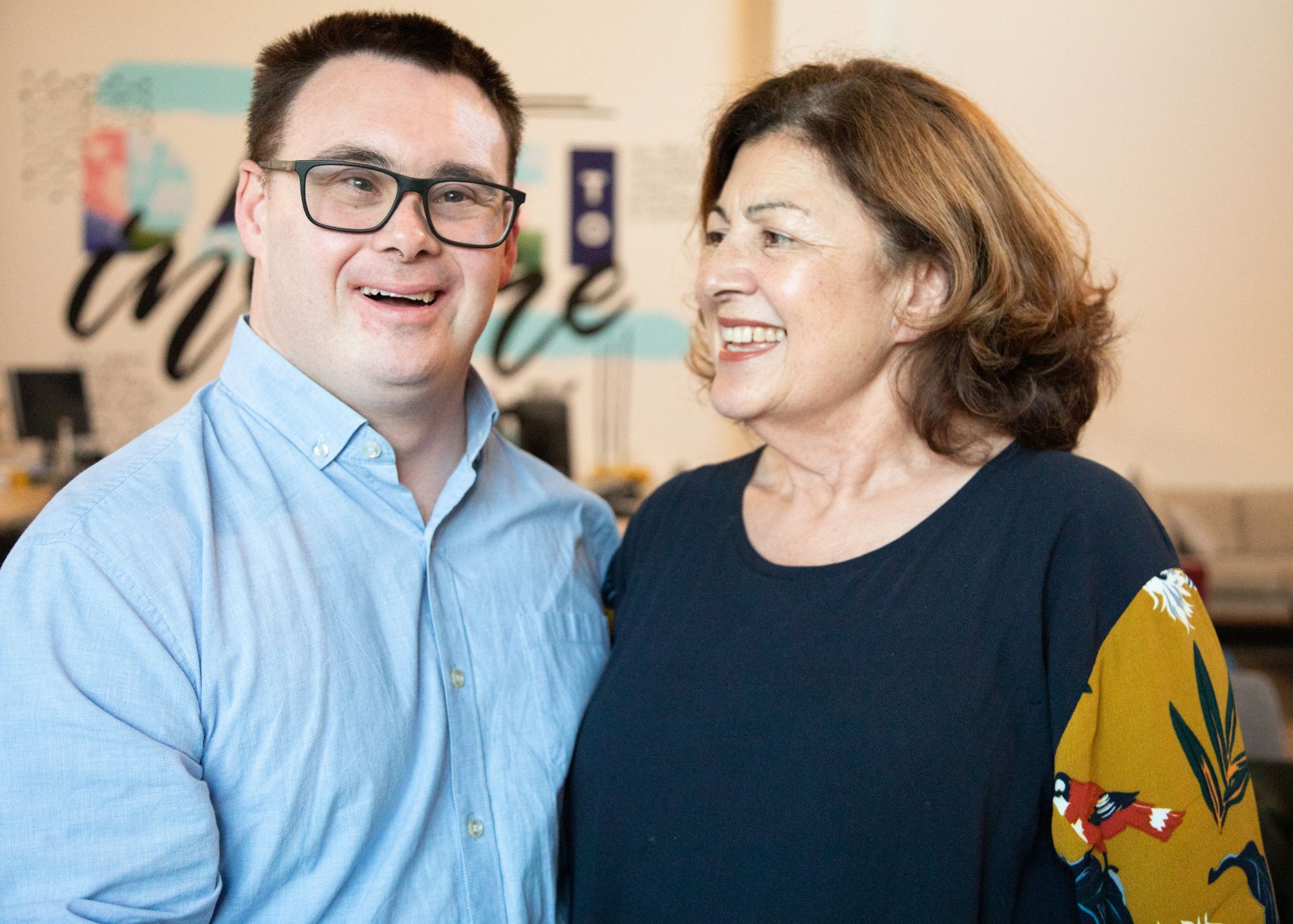
TETONS is a comprehensive class mapping a road to relationships, sexuality and self-determination for individuals with disabilities. Utah Parent Center, in partnership with Utah Developmental Disabilities Council, have curated this unique material to meet the needs of self-advocates 13 years of age and up.
Trainings from Other Organizations
The trainings in this section were created by other organizations that we wanted to highlight and share with you! Some are free, some have a fee, but all are great learning resources for people with disabilities, caregivers, and service providers about having healthy relationships.

Leadership for Empowerment and Abuse Prevention (LEAP)
Developed in collaboration between VCU's School of Social Work and the Partnership for People with Disabilities, LEAP provides training on healthy relationships and information about preventing abuse to adults with disabilities. LEAP was developed by a multidisciplinary team that included people with disabilities and their families, along with representatives from domestic violence, child advocacy, social services, health, LGBTQ+ and disability advocacy agencies.
Elevatus
As national leaders in the field of sexuality and intellectual developmental disabilities and autism, we offer evidence and trauma-informed curriculum, online training, in-services, and workshops to help professionals, educators, self-advocates, and parents skillfully and confidently navigate the topic of sexuality.
Online Self-Paced Training: Accessible Education, Planned Parenthood
As leader in preventative health and education, Planned Parenthood offers multiple, free, and self-paced courses about abuse prevention, healthy relationships, consent, appropriate behaviors for individuals with disabilities, caregivers, and professionals.