
ECHO Training Sessions
IDRPP-USU: Mental Health ECHO August: Infant Mental Health 101
Sondra Stegenga, focused on promoting infant mental health. Sondra emphasized the importance of responsive interactions, early identification of mental health signs, and the impact of trauma and toxic stress on brain development. She highlighted the need ...

IDRPP-USU: Substance Use ECHO August: A Walk Through the System
Marnie Maxwell from DCFS in Utah detailed the intake program, which handles child abuse and neglect reports 24/7. She explained the mandatory reporting law in Utah, the types of abuse and neglect investigated, and the process of making reports. Marnie hig...
IDRPP-USU: ATS ECHO August: Adaptive Recreation
Cullen Robinson from the University of Utah's Trails Adaptive Sports Program detailed their efforts to support individuals with complex physical disabilities through sports and equipment like the Tetra Ski, which allows independent skiing. The program, fu...

IDRPP-USU: Early ECHO August: Is it Sensory or Behavior?
Pat Boyle discussed the Neonatal Behavioral Assessment Scale (NBAS) and Newborn Behavioral Observations (NBO) for assessing infant behavior and sensory systems. She highlighted the impact of sensory stimulation on development and the Behavioral Signs of R...

IDRPP-USU: Disability Awareness & Intervention ECHO August: Inclusion vs. Accessibility
Kelie Hess helped explain the differences between Accessibility and Inclusion at the August Disability Awareness and Intervention ECHO session.
IDRPP-USU Early Accessible Education Materials (AEM) ECHO July 2026: Cultural and Linguistic Competence within Augmentative and Alternative Communication
The session focused on the impact of accessible education materials (AEM) and augmentative and alternative communication (AAC) on infants and toddlers.
IDRPP-USU: Substance Use ECHO July: Incarcerated Mothers
Trisha Reynolds presented on the impact of parental incarceration in Utah, highlighting that 50-60% of state prison inmates are parents, with 1 in 12 Utahns having experienced parental incarceration. She discussed initiatives like the DCFS collaboration p...
IDRPP-USU: Assistive Technoloy Solutions ECHO July: AgrAbility
Rhonda Miller and Randall Bagley discussed the program's origins, funding, and services, including on-farm assessments and assistive technology recommendations. They highlighted the challenges farmers face, such as aging, injuries, and low income, and the...
IDRPP-USU: Disability Awareness & Intervention ECHO July: Family Systems & Receiving a Diagnosis
Joslynn Christensen from the Utah Parent Center discussed the emotional impact of diagnoses, emphasizing the importance of clear communication, advocacy, and support resources.
IDRPP-USU: Early ECHO July: Senses in Sync: Exploring the World Through Sensory Play
Rebecca Foster presented on sensory play, detailing the auditory, tactile, visual, oral, olfactory, proprioceptive, vestibular, and interoceptive systems. She highlighted developmental milestones from birth to 36 months, red flags for sensory processing i...
IDRPP-USU: Autism ECHO June: The Behavioral Approach
Dr. Casey Clay, focused on behavior analysis and functional communication training for children with autism. Dr. Clay emphasized the importance of understanding behavioral functions, such as attention, access to preferred items, escape from aversive event...
IDRPP-USU Early Accessible Education Materials (AEM) ECHO June 2026: Empowering Families: Helping Parents Advocate for AT and AEM
Kaydee McMahon & Michele Tyler explain how parents can advocate for accessible early educational materials and assistive technology for their kids.
IDRPP-USU: Mental Health ECHO June: Supporting Provider Wellness through Parasympathetic Recovery
McCall Lyon discussed the parasympathetic nervous system, focusing on its role in stress regulation and interventions like deep breathing, progressive muscle relaxation, and on chanting. The session also covered the impact of maternal depression and anxie...
IDRPP-USU: Substance Use ECHO June: GRANDfamilies
Chelsea Nielsen focused on the Grand Families program, which supports kinship families raising children not their own. She highlighted key services, including case management, guardianship assistance, and educational classes for caregivers and children. T...
IDRPP-USU: Early ECHO June: Growing Together: The Social-Emotional Milestone Map
Jordan Anderson, an Early Intervention Specialist, discussed the pyramid model for behavior management and the importance of social emotional development in early childhood. Key points included understanding the developmental continuum, recognizing age-sp...
IDRPP-USU: ATS ECHO June: Mobility and the Human Experience
Curt Phillips, emphasized the importance of mobility and movement in human development. Curt discussed how mobility facilitates social interaction, communication, and independence, using examples like the Baby Bug and Frame Runner to illustrate assistive ...
IDRPP-USU: Disability Awareness & Intervention ECHO June: Introduction to Disability
Janel Preston provided an introduction to disability, outlining how early identification is key. She emphasized how some disabilities may be invisible, and how we should be using the right language when providing support to families.
IDRPP-USU: Autism ECHO May: Support Services: Financial, SSI, Respite Care
Calleen Kenney discussed the importance of networking, case studies, and the role of the Utah Parent Center in providing free resources, including educational support, health care, and community access. Calleen shared her personal experience with her daug...
IDRPP-USU Early Accessible Education Materials (AEM) ECHO May 2026: Technology in Childhood
The May 2026 NCADEMI ECHO session focused on the use of technology in early childhood education, particularly for children with disabilities. Ankita Bhattashali presented findings from the "Toddlers Tech and Talk Summary Report".
IDRPP-USU: Mental Health ECHO May: Infant Mental Health
Erica Murdoch, focused on infant and early childhood mental health. Erica discussed the importance of promotion, prevention, and intervention in supporting children's social and emotional development. She emphasized the significance of reflective supervis...
IDRPP-USU: Substance Use ECHO May: Exploring the Impacts of Substance Use on Families
Jill Gresham led the Timetoact Substance Use ECHO session, focusing on the impacts of substance use on children and families. Jill highlighted that 19 million children live with a parent with a substance use disorder, and 85% of those needing treatment do...
IDRPP-USU: Early ECHO May: Patterns in Action: Understanding Typical Behavior
Ashley Stuart, a child and adolescent psychologist, discussed common challenging behaviors in toddlers, such as tantrums, defiance, aggression, separation anxiety, and inattention. She emphasized the importance of understanding typical development and whe...
IDRPP-USU: ATS ECHO May: Case Study
Daniel O'Crowley presented a case study on Jim, a 24-year-old with POTS and severe allergies. Jim's challenges include managing energy, outdoor activities, and community integration. Suggestions included using a respirator, high-filtration masks, and a po...
IDRPP-USU: Early Accessible Education Materials (AEM) ECHO April: Using a Modified SETT Framework for Part C Early Accessible Educational Materials
Gayl Bowser presented the SETT Framework modified for Part C to assess and support children with developmental delays.
IDRPP-USU: Autism ECHO April: Improving Engagement and Education with Hispanic/Latin X Families
Jason Fox highlighted the University of Utah's ASPIRE program, which aims to improve systems of care and promote equitable healthcare access. Lisa Smith discussed strategies for early childhood developmental screenings, emphasizing the importance of bilin...
IDRPP-USU: Mental Health ECHO April: Workplace Mental Health -- Surviving Burnout
Emma Parkhurst discussed burnout causes, impacts, and prevention strategies, including setting boundaries, mindfulness, self-care, and reflective resilience. She highlighted the significance of personal agency, workload, recognition, and social connection...
IDRPP-USU: Substance Use ECHO April: Strengthening Community Ties and Coalition Building
Ashley Yaugher and Cris Meier discussed building strong community partnerships and coalitions, highlighting the Strategic Prevention Framework (SPF) and the Communities That Care (CTC) model. They stressed the importance of multidisciplinary teams, shared...
IDRPP-USU: ATS ECHO April: Shriners Children’s: Services, Supports, and Referrals
Dora Requena highlighted Shriners' recognition as the best children's hospital in 2025-2026, its partnership with Primary Children's Hospital, and its expansion to over 50 states and 128 countries. Shriners provides comprehensive care, including orthopedi...
IDRPP-USU: Early Intervention ECHO April: Play to Progress - The Power of Typcial Play
Janel emphasized the role of play in learning, regulation, and inclusion, highlighting four developmental domains: cognitive, social, movement, and communication. Participants shared strategies for enhancing play, such as involving children in meal prep, ...
IDRPP-USU: Early Accessible Education Materials (AEM) ECHO March: Making Adaptations to Support Access and Meaningful Participation Within Everyday Routines and Activities for All Children
Alissa Rausch and Allison Jones from the ECTA Center explained how to make adaptations to support access and meaningful participation within everyday routines and activities for all children.
IDRPP-USU: Autism ECHO March: Autism Spectrum Disorder: From a Disparities Lens
Michelle, a professor of pediatrics, highlighted that 1 in 31 children are diagnosed with autism, with higher rates among boys and lower rates in rural areas. She emphasized the importance of early intervention and culturally tailored assessments, noting ...
IDRPP-USU: Mental Health ECHO March: Mind Body Bridging Community Mental Health Clinic
Yvonne Marcyes from Utah State University's iSystem Institute discussed Mind Body Bridging (MBB), a therapeutic approach integrating psychology, neuroscience, and mindfulness. MBB aims to help individuals shift from anxious states to natural functioning. ...
IDRPP-USU: Substance Use ECHO March: Perinatal SUD and Maternal Health
Jasmine Charles discussed perinatal substance use disorder, highlighting her clinic's integrated care model and the impact of substance use on pregnancy. She stressed the need for evidence-based care and advocacy, noting Utah's high opioid prescription ra...
IDRPP-USU: ATS ECHO March: Different Funding and Resources for Assistive Technology
Kate Bennington, an Occupational Therapist. Key points included the importance of a positive feeding environment, the impact of cultural influences, and the stages of feeding development from birth to three years. Kate emphasized the significance of postu...
IDRPP-USU: Early ECHO March: Bites and Beginnings: The Feeding Foundations
Kait Bennington, an Occupational Therapist, presented on the importance of a positive feeding environment, the impact of cultural influences, and the stages of feeding development from birth to three years. Kait emphasized the significance of postural sta...
IDRPP-USU: Autism ECHO February: Autism and Girls
Dr. Gabrielson highlighted the significant increase in referrals for autistic girls and the lack of research on interventions tailored to their needs. Key points included the importance of early intervention in social skills, executive function, and menta...
IDRPP-USU: Mental Health ECHO February: Acceptance and Commitment Therapy
Dr. Ty Aler presented on Acceptance and Commitment Therapy (ACT), highlighting its effectiveness in various contexts, including mental health, community health, and supporting individuals with disabilities. Dr. Aler shared his personal journey and the the...
IDRPP-USU: Substance Use ECHO February: Stigma Surrounding Families
Sydney O'Shay, an assistant professor at Utah State University, presented on stigma surrounding families with substance use disorders. She highlighted the impact of stigma on families, including self-stigma and societal blame. Her research, spanning over ...
IDRPP-USU: Early ECHO February: Why Typical Development Counts Series - From Babble to Brilliance
Shelby Clark discussed language development using a house-building metaphor, highlighting the hierarchical nature of speech and language development. Key stages include building a foundation of communication, establishing social connections, and developin...
IDRPP-USU: ATS ECHO February: Advocacy for Assistive Technology
Lisa Gomez from the Utah Parent Center discussed the importance of AT in enhancing educational opportunities for students with disabilities. Lisa emphasized the role of IEP and 504 teams in evaluating and providing AT, the need for ongoing training, and t...
IDRPP-USU: Autism ECHO January: Early Identification in Girls
Dr. Terisa Gabrielson's presentation on identifying barriers and best practices for diagnosing autism in females. Key points included the increasing prevalence of autism, with 1 in 31 children currently diagnosed, and a shifting male-to-female ratio from ...
IDRPP-USU: Mental Health ECHO January: Nutrition and Mental Health
Jenna Dyckman focused on the intersection of nutrition and mental health, particularly in the context of chronic diseases. Jenna highlighted the prevalence of chronic diseases, noting 80% of people have at least one chronic disease, and 40% have two or mo...
IDRPP-USU: Substance Use ECHO January: Substance Use Education & Awareness in Family Contexts
Leo Vasquez focused on the impact of substance use disorders on family dynamics and child development. Key points included the importance of family-engaged developmental monitoring, the role of early interventionists in supporting families, and the signif...
IDRPP-USU: UATP ECHO January: Overview of UATP and Assistive Technology
Bora Lee and Dan O Crowley from the Utah Assistive Technology Program (UATP) discussed the federal Assistive Technology Act, its implementation in Utah, and the program's services, including device demonstrations, loans, reuse, and financing options. They...
IDRPP-USU: Early ECHO January: Moving Through Milestones: The Motor Journey
Kirsten Alberg, a PT with 18 years of experience, discussed the importance of understanding the developmental process rather than just specific milestones. Alberg highlighted the significance of variability in practice, the impact of child-rearing practic...

IDRPP-USU: Mental Health ECHO December: Trauma-Informed Approaches to System Change
Mary Beth Vogel-Ferguson discussed the impact of workplace stress and trauma on staff well-being, highlighting the SAMHSA framework's six key principles: safety, trust, peer support, collaboration, empowerment, and cultural awareness. Participants shared ...
IDRPP-USU: Substance Use ECHO December: Trauma-Informed Treatment
Jamie Mecham discussed trauma's impact on language development, highlighting that 46% of U.S. children experience at least one adverse childhood experience (ACE). She explained how trauma affects brain development, leading to language and social communica...

IDRPP-USU: Early ECHO December: Prader-Willi Syndrome Pt. 2
The Early Intervention ECHO December session focused on the management and therapy goals for Prader-Willi syndrome (PWS). Kaitlyn emphasized speech and language goals, highlighting the use of sign language and articulation therapy. Michael discussed physi...

IDRPP-USU: Autism ECHO November: Picky Eating
Erin Forward discussed the shift from "picky eating" to "selective eating" and highlighted the need for neurodiversity-affirming feeding therapy. She shared her approach, which includes building relationships, understanding sensory needs, and addressing p...
IDRPP-USU: Mental Health ECHO November: Positive Parenting
Stephanie Anderson highlighted the challenges Utah parents face, noting low self-reported parenting confidence. She introduced the "Circles of Security" model, which identifies children's needs for exploration, comfort, and control. Participants shared pe...
IDRPP-USU: Substance Use ECHO November: Parents with Children Treatment
Amy Parker from Odyssey House presented their Parents with Children program, highlighting its impact on families affected by substance use. Key statistics included 829 Utah children in foster care due to substance use in 2024, with 244 placed with parents...
IDRPP-USU: Early ECHO November: Prader-Willi Syndrome
Dr. Clement, Annabelle Wilcox, and Sarah Roberts focused on the early management of Prader-Willi syndrome (PWS). Key points included the importance of early diagnosis, with most cases now identified within the first few weeks of life. The session highligh...
IDRPP-USU: Autism ECHO October: ADDM and URADD
Amanda Bakian discussed the progression of autism diagnosis, the Utah Registry of Autism and Developmental Disabilities (Urad), and the CDC's Autism and Developmental Disabilities Monitoring Network (ADDM). Bakian highlighted the increase in autism preval...
IDRPP-USU: Mental Health ECHO October: Masculinity and Mental Health
Matt Wappett discussed the intersection of masculinity and mental health, highlighting the societal pressures and stereotypes that contribute to men's mental health issues. He shared personal experiences, including a 2009 incident that led to his mental h...
IDRPP-USU: Substance Use ECHO October: Resiliency Training
Tim Keady discussed resilience, defining it as the ability to adapt to difficult experiences. He highlighted positive factors like secure attachment, positive role models, and social skills, and negative factors such as adverse childhood experiences and f...
IDRPP-USU: Early ECHO October: Degenerative Diseases
Curt Phillips focused on degenerative diseases, specifically Prader-Willi, Spinal Muscular Atrophy (SMA), and Rett Syndrome. Prader-Willi, caused by a chromosome 15 deletion, presents with low tone, poor feeding, and constant hunger. SMA, a genetic mutati...
IDRPP-USU: Autism ECHO September: Surviving the Holidays
Cassidy from the ASSERT program discussed strategies for surviving and thriving during the Big Three holidays. Key points included setting and adjusting expectations, creating plans, and using visual supports. Cassidy emphasized the importance of preparin...
IDRPP-USU: Mental Health ECHO September: Protective Factors and Strengthening Families
Deondra Brown discussed protective factors and strengthening families at the September Mental Health ECHO. She emphasized the importance of concrete support, knowledge of child development, building relationships, resilience, and social and emotional comp...
IDRPP-USU: Substance Use ECHO September: The Nexus between Suicide and Substance Use
Heidi Dutson discussed the nexus between substance use prevention and suicide prevention, highlighting the need for proactive measures. She shared personal stories and data, noting that 50,000 suicides occurred in 2023, equivalent to 264 Boeing 737s, and ...

IDRPP-USU: Early ECHO September: Tethered Oral Tissues: Motor Movement and Development
Pat Boyle discussed the importance of identifying and treating TOTs, including buccal, tongue, and lip ties, which can affect feeding, breathing, and speech. She shared case studies illustrating improvements in children's feeding and overall health post-r...

IDRPP-USU: Autism ECHO August: Developmental Engagement
Janel Preston introduced the IDRPP Autism ECHO session, emphasizing the importance of family-engaged developmental monitoring for early identification of autism. She highlighted that one in 31 children nationwide and one in 37 in Utah have autism by age 8...
IDRPP-USU: Mental Health ECHO August: Social Emotional Development
Stephanie Anderson discussed the importance of social-emotional skills, including empathy, stress management, and conflict resolution, emphasizing the need for early intervention and parental involvement. She introduced the ASQ SE screening tool for ident...
IDRPP-USU: Substance Use ECHO August: Reducing Recidivism Through Substance Use Programs
Shianne Stilson from the Tooele County Sheriff's Office discussed her Exit Strategies program, which helps inmates create individualized reentry plans, including substance use maintenance and community resources. Shianne highlighted a 19% recidivism rate...
IDRPP-USU: Early ECHO August: Alternative/Augmentative Communication
Daphne Hartzheim, an SLP and BCBA, discussed augmentative communication, focusing on barriers, types of communication systems, and strategies for functional communication. She highlighted the importance of addressing opportunity barriers like family supp...
IDRPP-USU: Early ECHO July: Low Vision
Lacey Long focused on vision impairment and low vision. Key points included the importance of early vision development, with milestones from birth to 12 months.
IDRPP-USU: Autism ECHO June: Alternative/Augmentive Communication
Janel Preston and Justin Benson led the Autism Echo Session on June 25th, focusing on autism awareness and therapy strategies.
IDRPP-USU: Healthy Relationships ECHO June: Gender Identity and Disability Intersections
The ECHO Healthy Relationships session focused on gender identity and its intersections with disability. Teresa Lott and Jesse Shircliff explored the intersectionality of gender, race, class, and disability.
IDRPP-USU: Time to Act Mental Health ECHO June: LGBTQ+ Mental Health
Tyrell and Jett discussed the historical significance of Pride Month, the Stonewall riots, and the evolution of LGBTQ+ rights. They highlighted the importance of Pride Month in combating stigma and increasing safety for LGBTQ+ individuals. They also addre...
IDRPP-USU: Time To Act: Substance Abuse ECHO June: Journey of Hope UT
Shannon Cox from Journey of Hope Utah discussed their work with dual-diagnosis clients, particularly women with trauma histories. They highlighted the need for trauma-informed care and community health workers.
IDRPP-USU: Early ECHO June: Assistive Technology Overview
Dan O'Crowley, an ATP (Assistive Technology Professional) and rehabilitative engineering technologist, led a session on how assistive technology impacts early interventionists and their clients.
IDRPP-USU: Time to Act Mental Health ECHO May: Navigating "Coming Out" With Families
Jett and Tyrel discussed navigating the coming out process for LGBTQ+ individuals and their families. They explained gender versus sexuality, the importance of using preferred pronouns, and the need for providers to create safe spaces.
IDRPP-USU: Autism ECHO May: ABA Therapy with Tom Higbee
Our Autism ECHO session for May featured Dr. Tom Higby from the ASSERT program discussing the applied behavior analytic perspective on autism treatment. Dr. Higby emphasized the importance of early intervention, positive reinforcement, and individualized ...
IDRPP-USU: Time to Act Substance Abuse ECHO May: Supporting Recovery and Reintegration
Matt Huntington discussed the Tooele County Jail's substance use disorder treatment program, emphasizing the importance of partnership building and capacity expansion.
IDRPP-USU: Early ECHO May: Provider Discussion
Janel Preston and the Early ECHO Hub Team lead discussion groups focused on enhancing professional networking and navigating difficult conversations with families.
IDRPP-USU: Time to Act Mental Health ECHO April: Workplace Burnout
Emma Parkhurst discussed workplace burnout, emphasizing its impact on personal and organizational levels. She suggested prevention strategies such as setting boundaries, practicing mindfulness, and engaging in hobbies
IDRPP-USU: Time to Act Substance Use ECHO April: Heart Initiative
Tim Keady discussed the Heart Extension initiative's efforts to reduce deaths from substance misuse and suicide, highlighting opioid landscapes, evidence-based approaches, and collaborative practices.
IDRPP-USU: Healthy Relationships for Adults with Disabilities ECHO April: Safety Planning
Erin Meottle discussed safety planning for individuals experiencing abuse, emphasizing its importance for people with disabilities, who face a high risk of abuse.
IDRPP-USU: Early ECHO April: Supporting Families with a Diagnosis
Gretchen Selcho discussed supporting families with a diagnosis, emphasizing the importance of accurate information, peer support, and advocacy.
IDRPP-USU: Autism ECHO April: Family Experiences
The IDRPP April Autism ECHO session featured three families sharing their experiences raising children with autism.
IDRPP-USU: Time to Act Mental Health ECHO March: Safe UT Overview
Part of Mental Health ECHO, Diana, an outreach coordinator for Safe UT, detailed the Safe UT app. The app provides emotional support to over 1.9 million Utah residents, including students, parents, and frontline workers.

March Autism ECHO: Autism and Sleep
For our March Autism ECHO Session, we had Debbie Bilder present to us about sleep disturbances and the link it has to autism.
March Healthy Relationships ECHO: Lived Experience
The March ECHO Session for our Healthy Relationships network featured a panel discussion on healthy relationships, focusing on the perspectives of individuals with disabilities.
IDRPP-USU: Time to Act Substance Use ECHO March: Incarcerated Parents
Trisha Reynolds discussed the impact of parental incarceration in Utah, highlighting initiatives to support these children, including DCFS collaboration, pregnancy and postpartum support, and parenting education.

What Families Wish We Knew
Part of Early ECHO, Three families joined us for this session to discuss their experience with early intervention. Shanda shared her experience with twins born at 24 weeks, stressing the need for better parent support in hospitals. Kylie discussed her dau...

Anxiety in Teens
Part of Mental Health ECHO, Dr. Sean Weeks discussed anxiety in adolescents, emphasizing the unique challenges, such as peer pressure and brain development.

Sensory Integration
Kristen, an Occupational Therapist, presented on sensory processing, emphasizing its impact on children. She explained sensory systems, their functions, and the importance of sensory integration. Kristen discussed sensory preferences, dysregulation, and s...

Working with Adult Protective Services
The February 2025 Healthy Relationships ECHO session focused on mandatory reporting and the role of Adult Protective Services (APS). Megan Schmidt detailed the criteria for identifying vulnerable adults, types of abuse, and the importance of self-determin...

Case Study
Part of Substance Use ECHO, Shayna Pugh presented a case study involving substance use in a rural community, and the group discussed recommendations and resources.

How to have Difficult Conversations with Families
Victoria Wilkins discusses the importance of building trust and understanding when having difficult conversations with families.
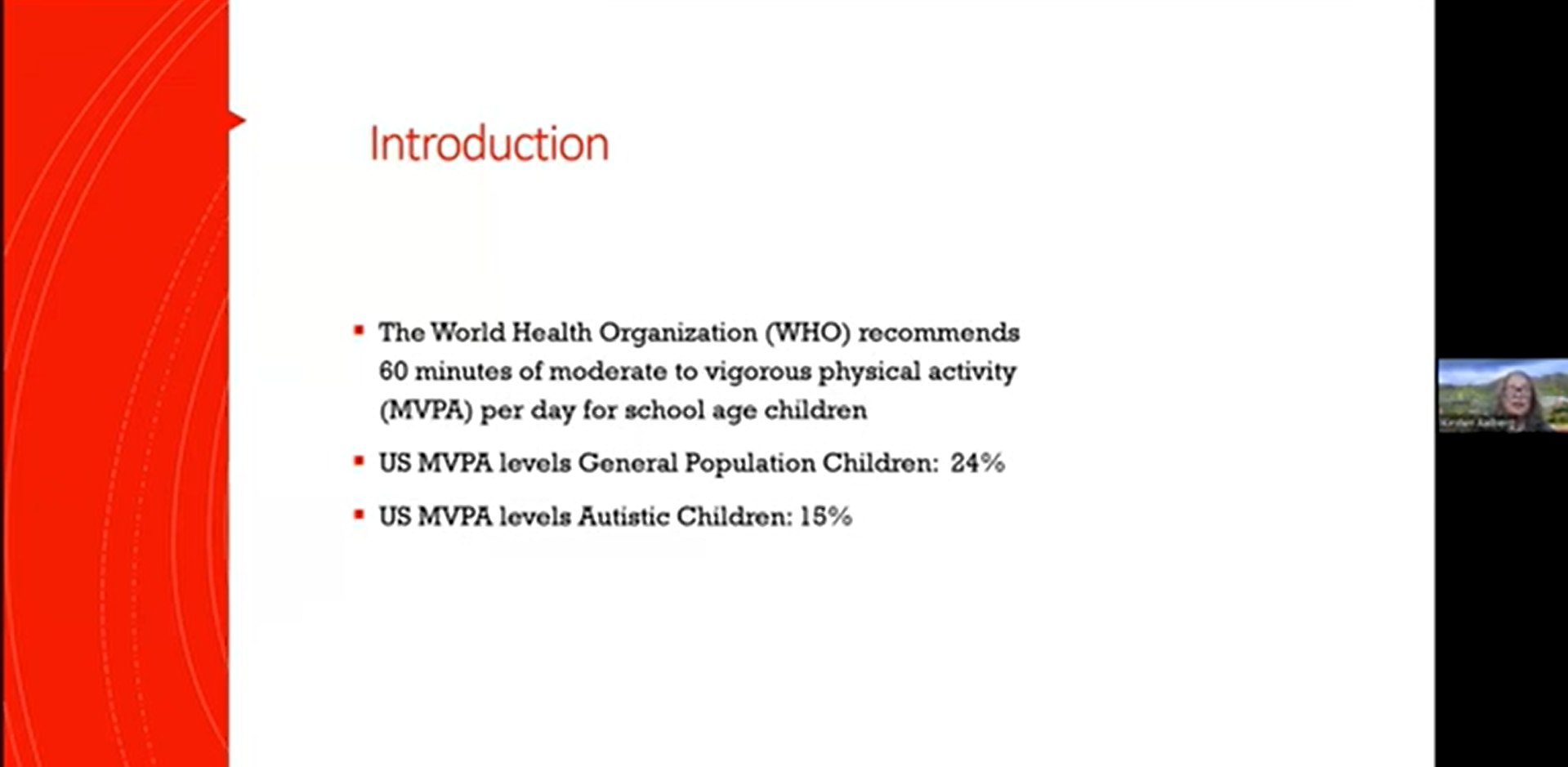
Physical Development in Autism
Kirsten discusses the importance of physical activity in autism, including its impacts, facilitators, barriers, common motor impairments, and research on motor interventions.
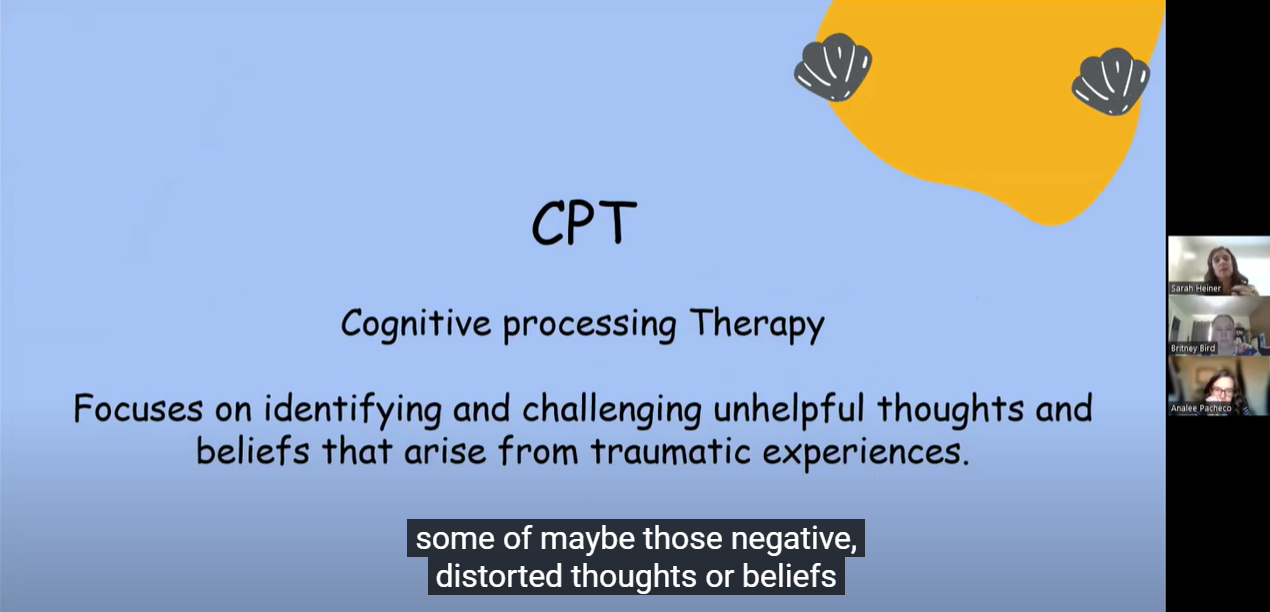
Ongoing Trauma
Sarah, Britney, and Analee discuss ongoing trauma, focusing on its impacts and how to practice trauma informed care.
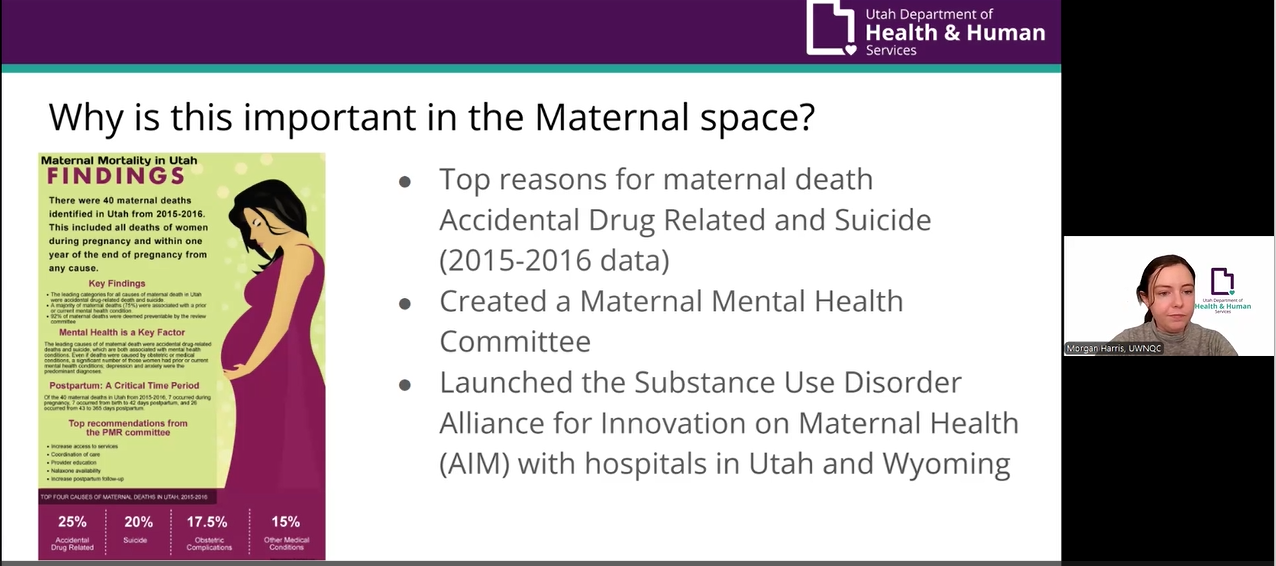
Utah Women and Newborns Quality Collaborative
Part of Substance Use ECHO, Morgan Harris introduces the Utah Women and Newborns Quality Collaborative and presents several different resources they offer.

Healthy Communication
Part of Healthy Relationships for Adults with Disabilities ECHO, Tim Curran and Ashley Ferrin talk about healthy communication in relationships.
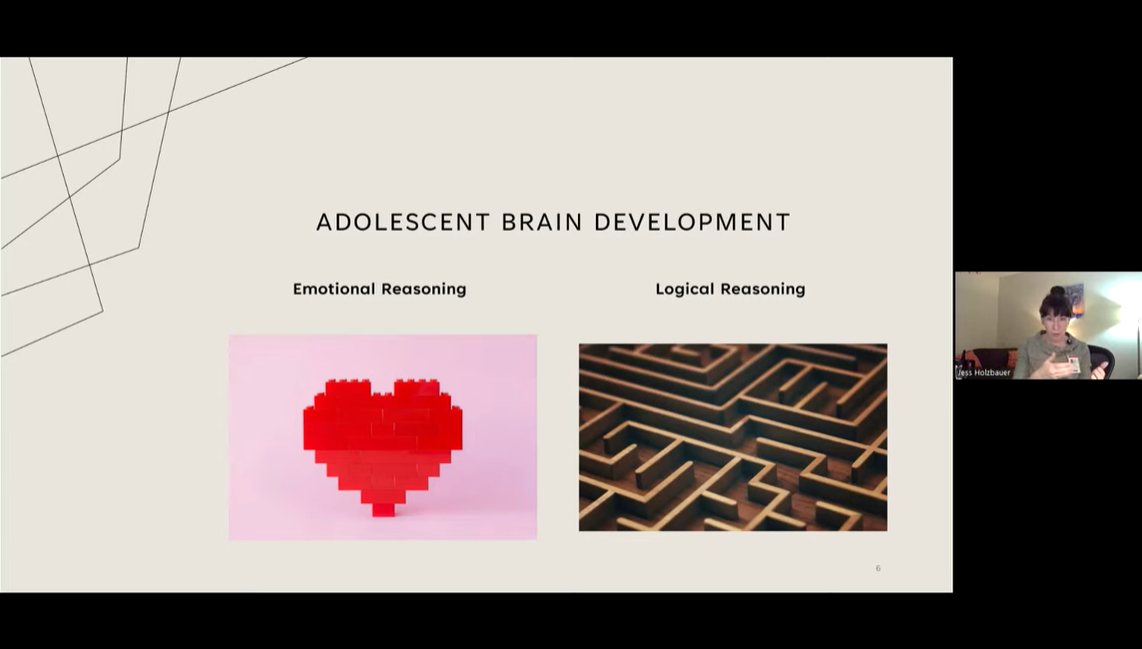
Encouraging Teen Self Esteem in the age of Social Media
Jess Holsbauer, a licensed clinical social worker, discussed the impact of social media on mental health, particularly highlighting TikTok's algorithm and its effects on attention spans and mental health.
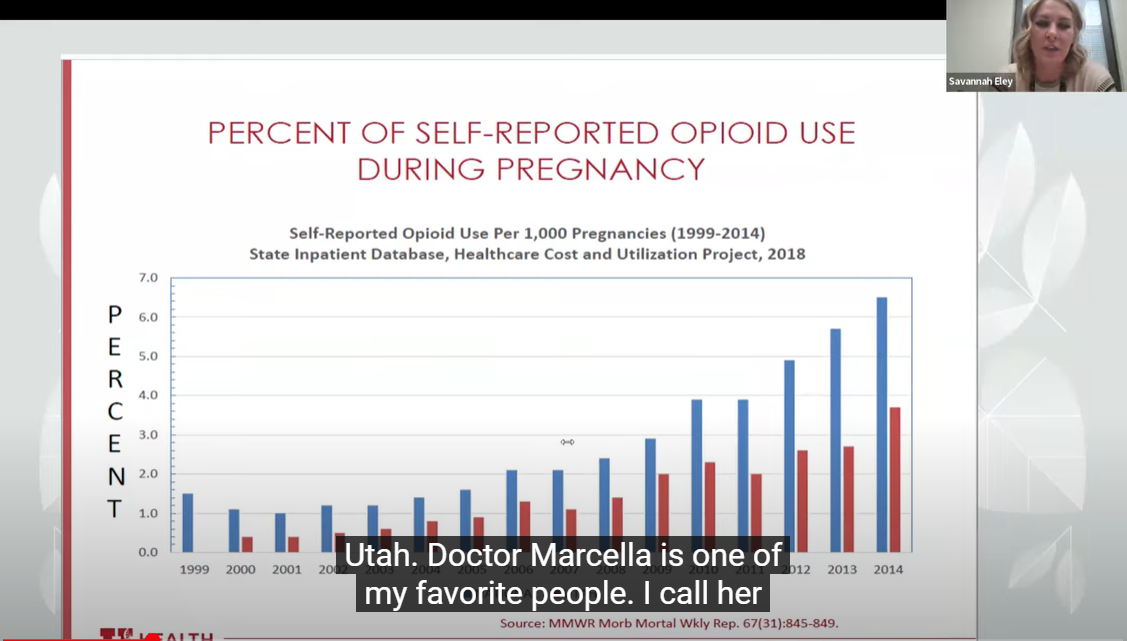
Pregnancy and Substance Use Disorder
Savannah Eley discusses substance use during pregnancy and postpartum, highlighting risks and interventions

ADDM Reporting
Colin Kingsbury and Madison Mitamura talk about ADDM (Autism and Developmental Disabilities Monitoring).

Internet Crimes: The Effects of Social Media
Michell and Sarah discuss Utah Internet Crime Task Force's efforts to combat online predators and child exploitation. They cover the task force's mission to protect children, the rise of sextortion cases, and the importance of educating parents and childr...

How to identify autism in toddlers
Dr. Chuck Edgington talks with our community about diagnosing autism in toddlers.
Teaching consent on Healthy Relationships
Breanna Loveland from CAPSA talks about education on sexual consent for people with disabilities

Hearing Loss Part 1
Stephanie introduces the first part of our series on Hearing Loss.

Stressed Families
Part of Mental Health ECHO, Ilse Dekoeyer discusses the effects of stress on family units. She shares several different protective factors to support families going through stressful situations.
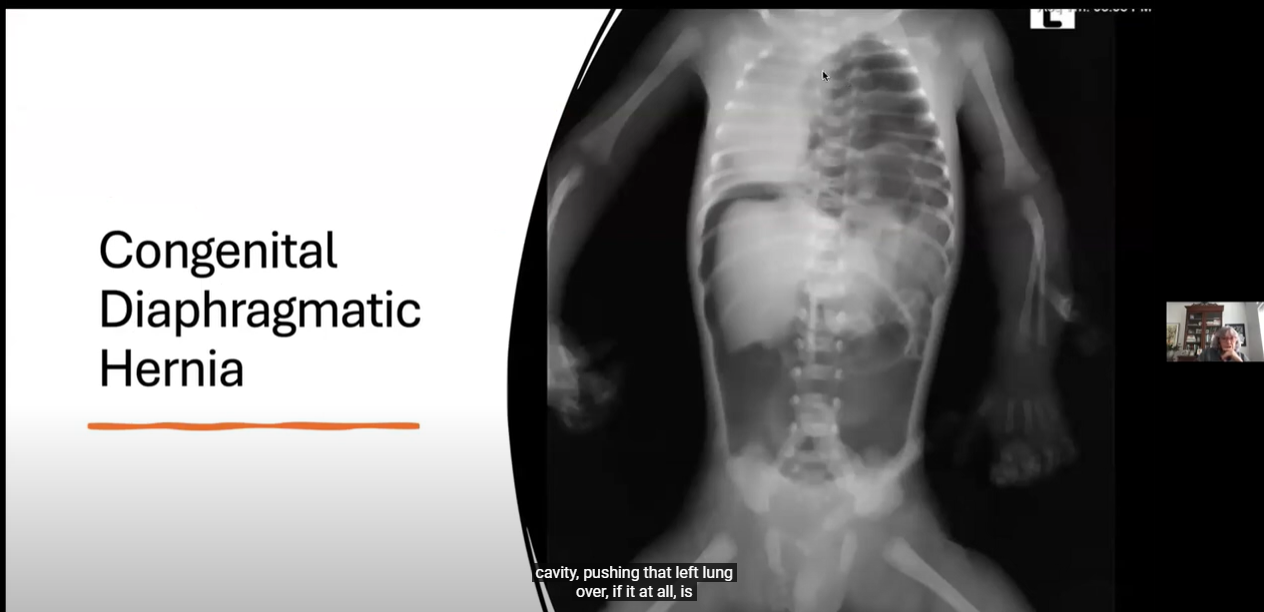
NICU Part 4: Rare Medical Diagnoses
Pat Boyle discusses rare medical diagnoses seen in the NICU.

Supporting Perinatal Mental Health
Ilse Dekoeyer discusses how to support perinatal mental health through providing social support, community-based care, and listening.

Family Engaged Developmental Monitoring
Janel Preston presented on Family Engaged Developmental Monitoring and the 5 steps of early identification.
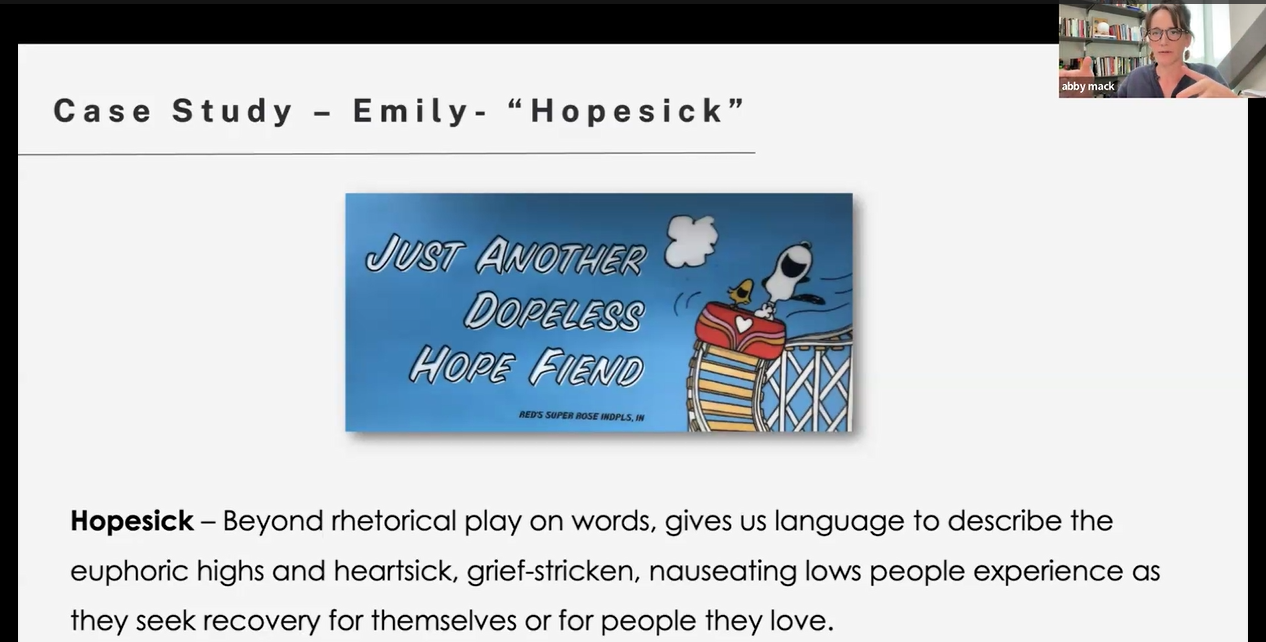
Supporting a Loved One Through Addiction Recovery
Abigail Mack presents on her research about supporting loved ones through addiction recovery.

NICU Part 3
Jamie Seale introduces the Rainbow Kid's Palliative Care Team, and discusses how they support medically complex families.

Trauma-Informed Care
Vonda Jump presents on trauma-informed care for toddlers and babies.

Incarcerated Parents
Tricia Reynolds discusses building and implementing programs to support incarcerated parents and their children.
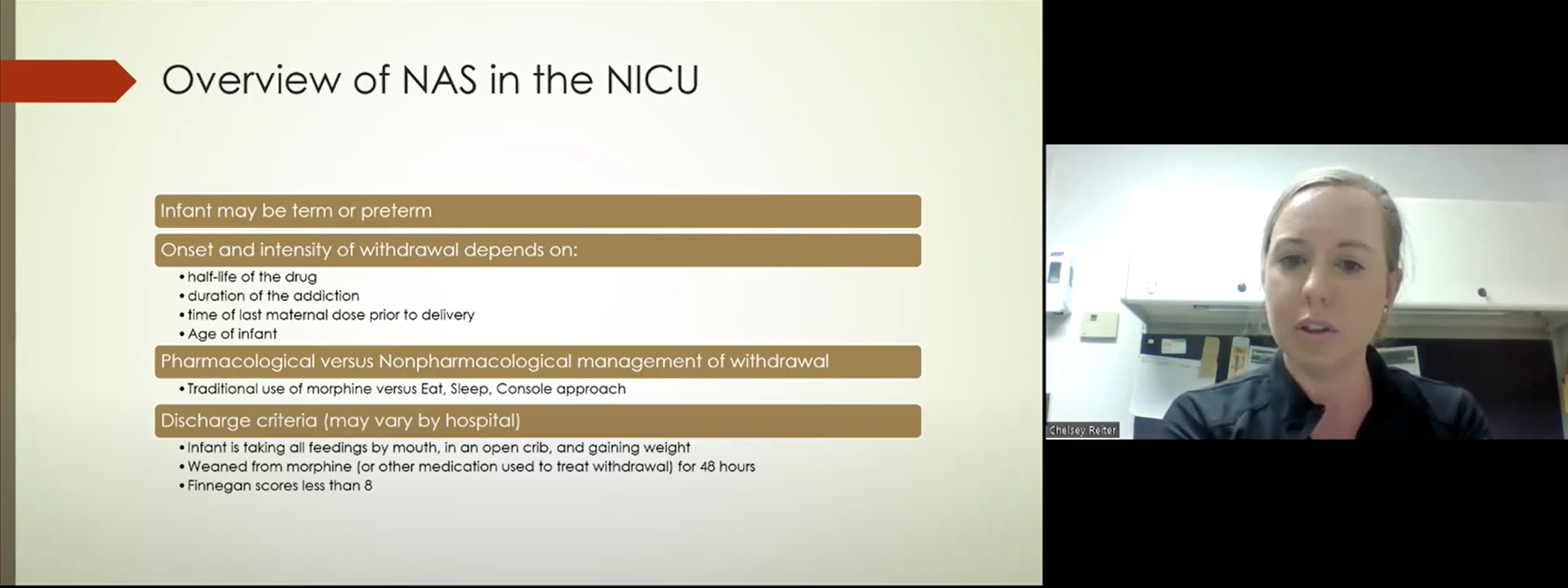
NICU Part 2
Chelsea Reiter continues our series on the NICU by discussing Neonatal Abstinence Syndrome

Harm Reduction
Tricia Bishop discusses harm reduction strategies for Substance Use Disorder. She introduces the DHHS's syringe exchange program and discusses Naloxone distribution

NICU Part 1: NAS
Rebecca Foster introduces our four-part series on the NICU.
Mental Health in the Workplace
David Fawcett describes how to identify mental health issues in the workplace, and discusses ways to reduce work-related stress and anxiety.
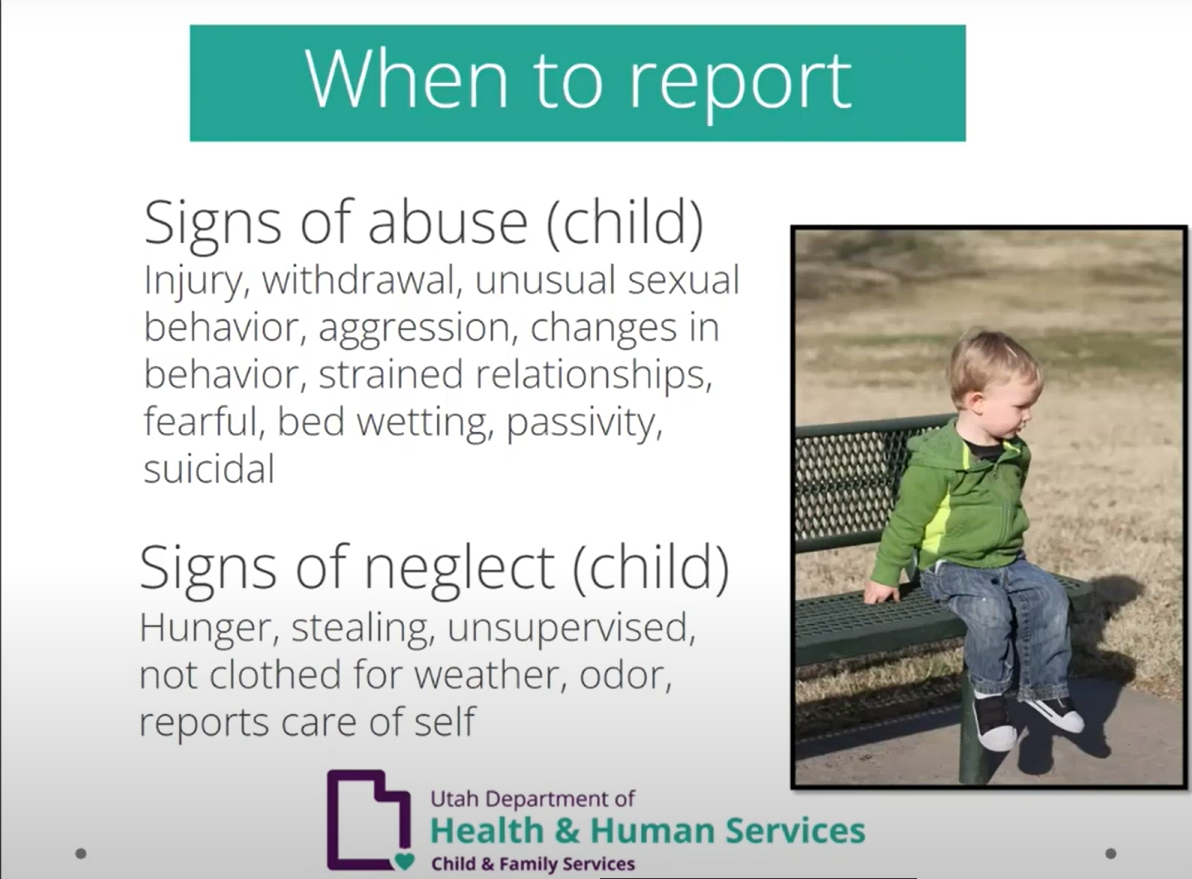
DCFS Foster Care
Kyla Clark discusses The Utah Division of Child and Family Services and foster care.

Social Communication Part 4
Ashley Stuart and Jori Harris continue to discuss the caregiving coaching model in the last session of their Social Communication series.

Psychotherapy for Adults with Intellectual Disability
Andrea Witwer: Psychotherapy for Adults with Intellectual Disability: Guidelines from The Ohio State University Nisonger Center RRTC
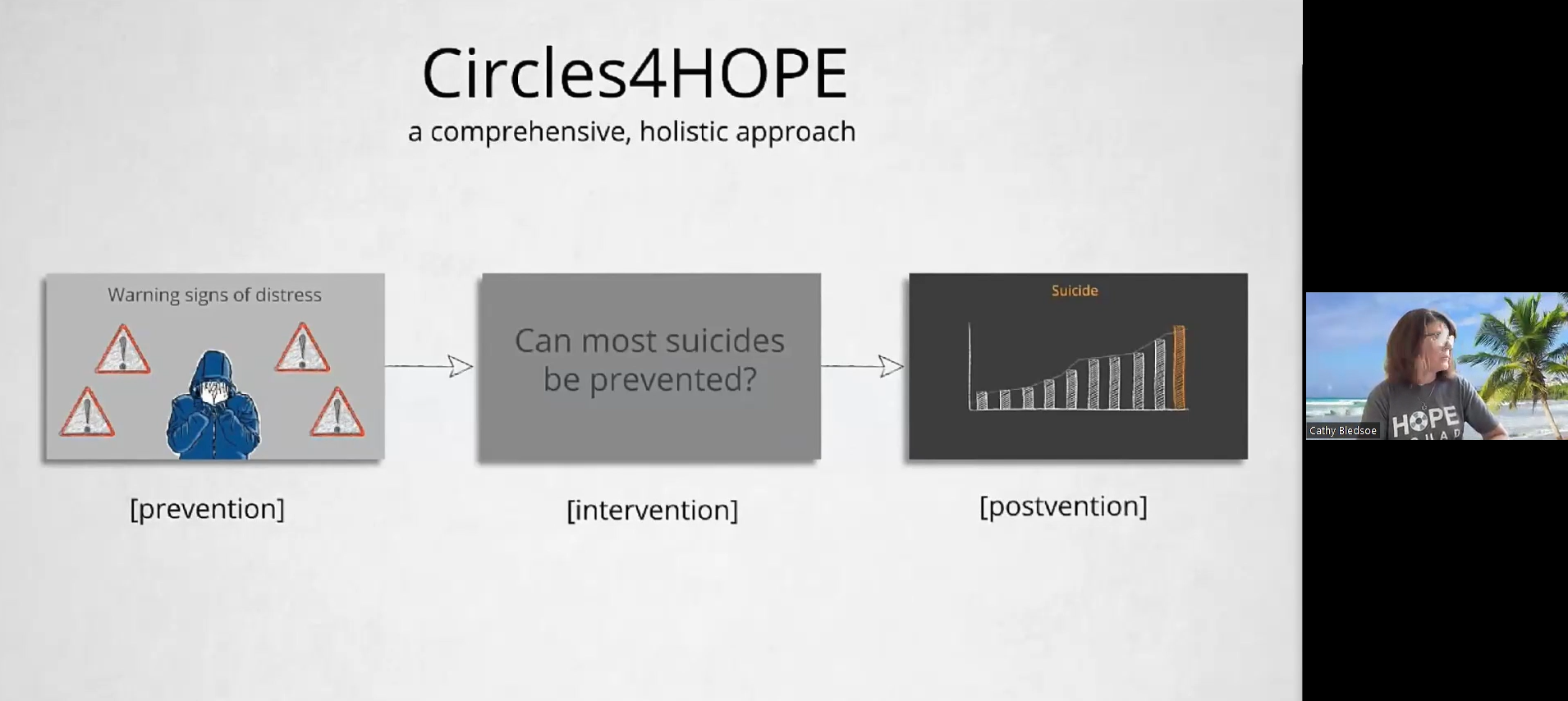
Hope for Utah
Cathy Bledsoe introduces the Hope for Utah and Hope Squad programs.

Stigma Awareness
Taylor Morsillo discusses how attitudes and perceptions affect substance use and recovery.

Social Communication Part 3
Jori Harris continues the four-part series on Social Communication by discussing a caregiver coaching model.
Suicide Prevention
Part of Mental Health Across the Lifespan ECHO, Tara Roche and Jeanie Peck discuss suicide prevention and how to support mental health.
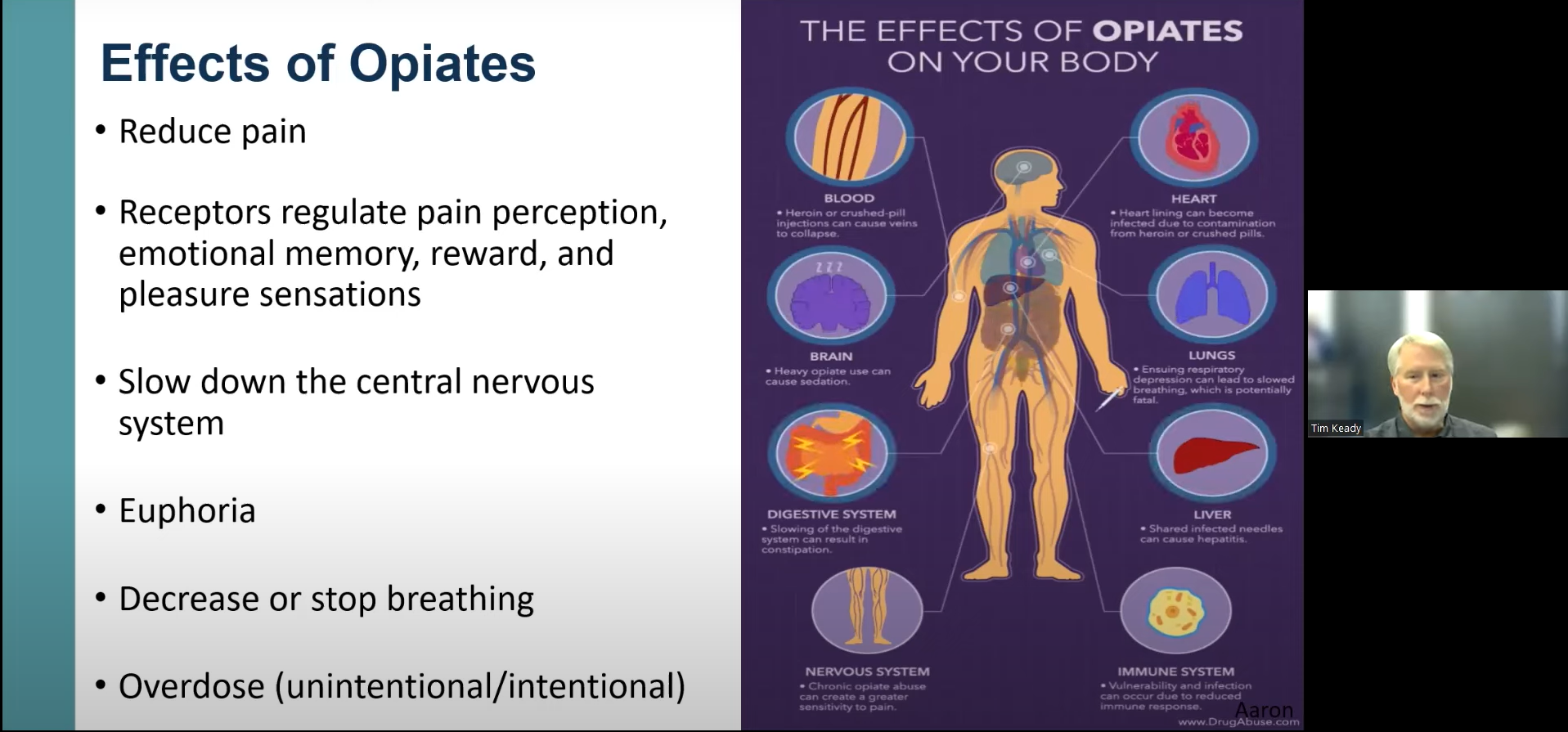
5 Things to Know About Naloxone
Part of Time to Act: Substance Abuse Across the Lifespan ECHO, Tim Keady shares five important things to know about Naloxone and Opioid use.

Social Communication Part 2
Part of Early ECHO, Ashley Stuart presents on Practical Strategies for Assessing Social Communication and Communicating with Caregivers.

LGBTQ+ Health
Part of Time to Act: Mental Health Across the Lifespan ECHO, Jett Cox and Tyrel Wilde discuss providing for the mental wellbeing and physical safety of the LGBTQ+ community.
Autism in Females and Concurrent Mental Health Conditions
Part of the Mental Health and Intellectual/Developmental Disabilities ECHO, Julia Connelly discusses Autism in Females and Concurrent Mental Health Conditions.

Grandfamilies
Part of Time to Act: Substance Abuse ECHO, Alyssa Craven introduces the Children's Service Society's Grandfamilies program.

Social Communication Part 1
Stacy Manwaring introduces this four-part series on Social Communication.

ACEs and Counter ACEs
Part of Time to Act ECHO: Mental Health Across the Lifespan, Dr. Ali Crandall presents her research on the role of adverse and positive experiences on mental health.

Substance Awareness
Taylor Morsillo discusses substance use disorder and common drugs of misuse.
Suicide Risk and Prevention in Individuals with Intellectual and Developmental Disabilities
For the Mental Health and Intellectual/Developmental Disabilities ECHO, Anne Kirby discusses suicide risk and prevention.
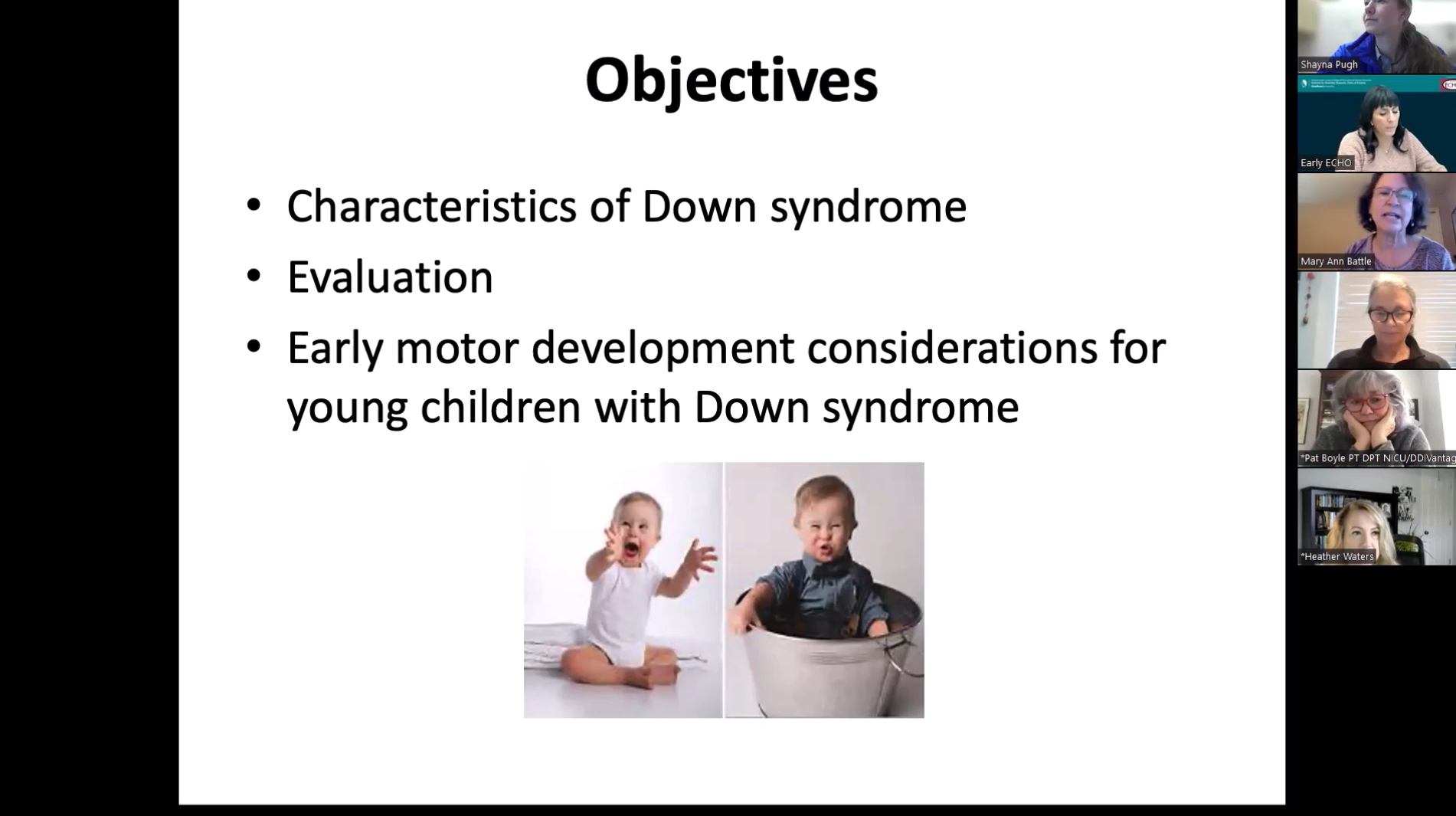
Down Syndrome Part 2: Physical Activity in Down Syndrome
Part of Early ECHO, Mary Ann Battle discusses physical therapy considerations for motor development in young children with Down syndrome.

Masculinity and Mental Health
Part of Time to Act ECHO: Mental Health Across the Lifespan, Dr. Matthew Wappett discusses managing stereotypes and creating safe spaces.
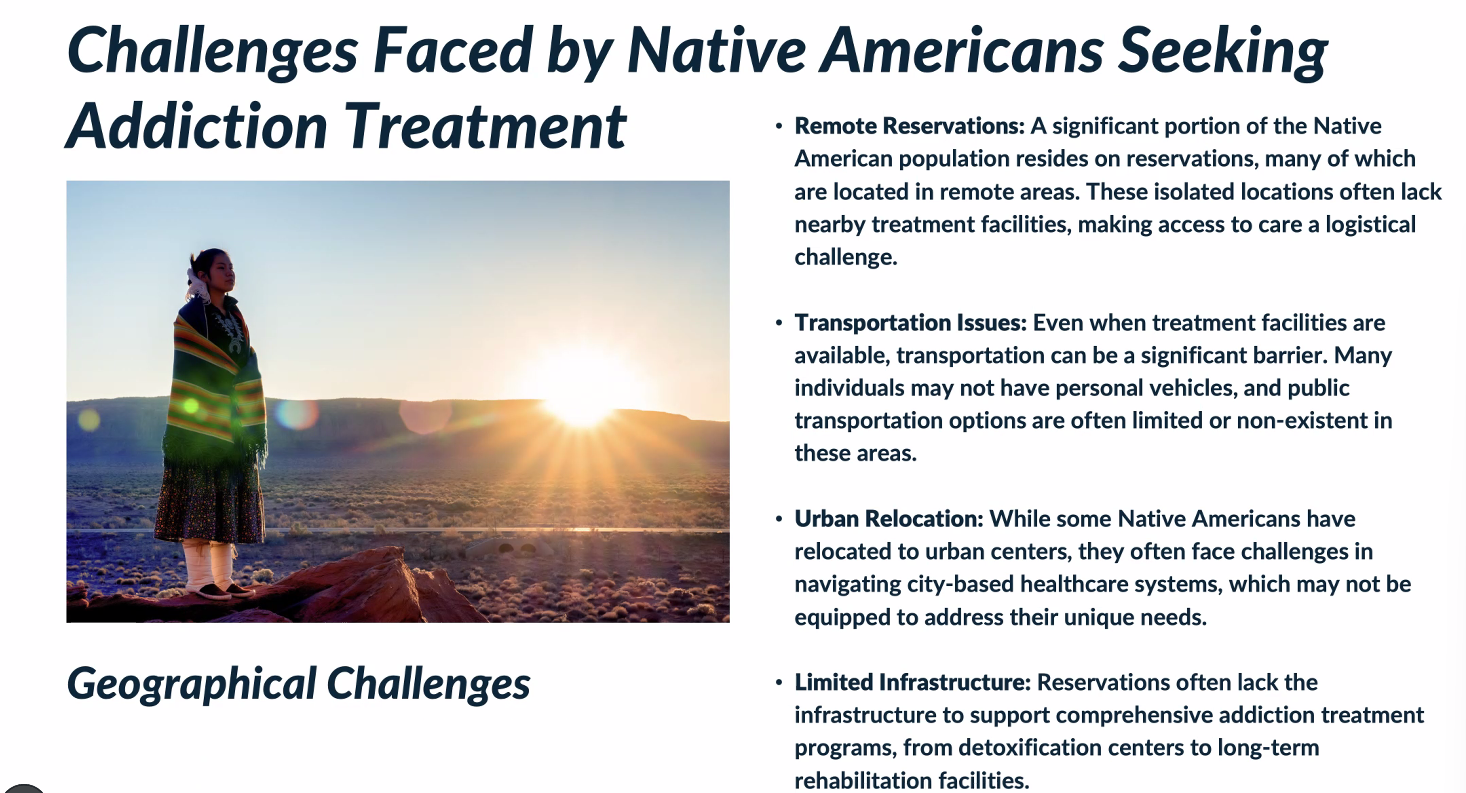
Cultural Barriers that Affect Seeking Help with Substance Abuse
Part of Time to Act ECHO: Substance Abuse, Valentina Sireech discusses cultural barriers that affect seeking help with substance abuse and recommendations for improvement.
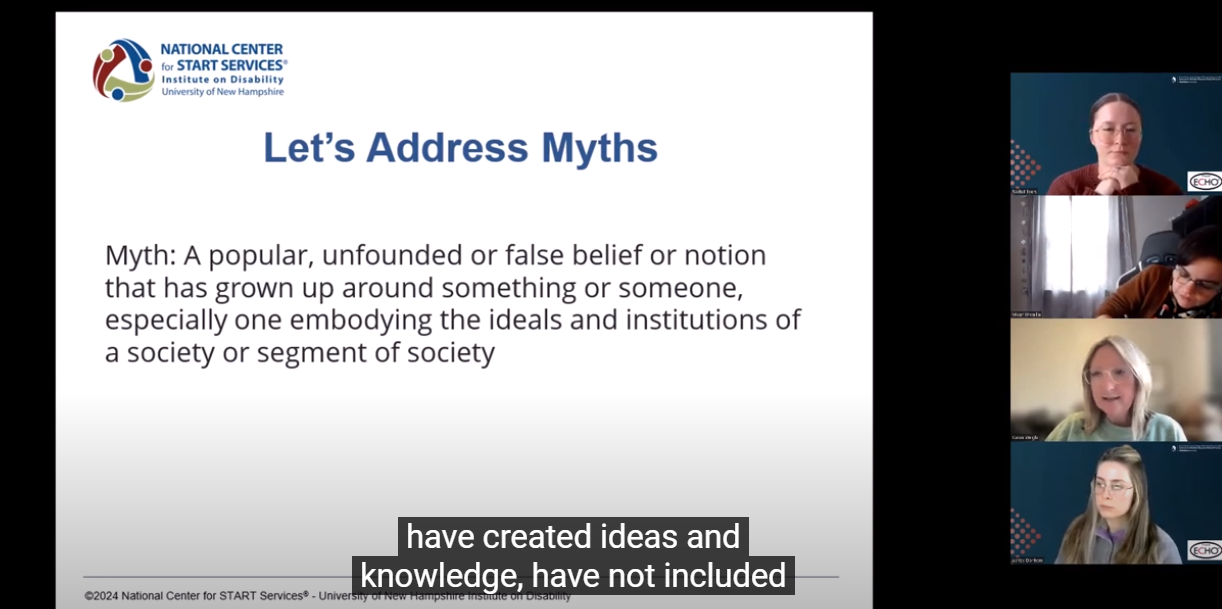
Disability and Mental Health Services: Dispelling Myths
For the Mental Health and Intellectual/Developmental Disabilities ECHO, Karen Wiegle and Andrea Caoili present on Disability and Mental Health Services: Dispelling Myths.

Down Syndrome Part 1: What to Expect
Part of Early ECHO, Paula Burckhard shares her story.

The Medical Home Portal and Bi Tapp
Part of Project SCOPE, Athena Parker discusses the Medical Home Portal, and Cindy Jones discusses self-regulation and the Bi-Tapp program.

Autism Part 4: Communication and Autism
Part of Early ECHO, Justin Benson discusses communication and Autism, sharing fantastic strategies providers can use to help improve a child's communication.

Racial Disparities in Infant Mental Health
Part of Time to Act ECHO: Mental Health Across the Lifespan, Ilse DeKoeyer discusses racial disparities in infant mental health.

Safe Babies Court
Part of Project SCOPE, Olivia Gruwell discusses the Safe Babies Court program in Utah County. She talks about what it is, the work they're doing, and how it's helping families across the state.

Autism Part 3: Benefits of Physical Activity in Autism
Part of Early ECHO, Kirsten Aalberg discusses impacts of physical activity levels in autism, facilitators and barriers to physical activity, common motor impairments in Autism, and research relating to motor interventions.

Early Warning Signs of Infant Mental Health
Part of Time to Act ECHO: Mental Health Across the Lifespan, Sondra Stegenga discusses early warning signs of infant mental health.

Families Lived Experience with Addiction and Recovery
Part of Project SCOPE, Chelsea, Chris, and Bryce, board members from Cache Valley's Recovery Café joined us to discuss their lived experience with addiction and recovery.

Autism Part 2: URADD
Part of Early ECHO, Deborah Bilder discusses the Utah Registry of Autism and Developmental Disabilities (URADD), the epidemiology of Autism in Utah, and data Utah has collected through studies related to Autism.

Children of Incarcerated Moms
Part of Project SCOPE, Trisha Reynolds, Intergenerational Coordinator at the Utah Department of Corrections, discusses statistics related to children of incarcerated parents, the impact of incarceration on children, and the work the Utah is doing improve ...

Disability and Mental Health Services: Dispelling Myths
Part of the Mental Health and Intellectual/Developmental Disabilities ECHO, Michael Gerald discussed disability and mental health services and dispelling myths.

Autism Part 1: Autism in Toddler Years
Part of Early ECHO, Ashley Stuart discusses Autism and what it looks like in the toddler years. She discusses signs, things to look for, strategies, data, and so much more.

Source of Distress: Establishing Treatment Targets for Agitation
Part of the Mental Health and Intellectual/Developmental Disabilities ECHO, Debbie Bilder, MD, discusses sources of distress and establishing treatment targets for agitation.

The HEART Initiative
Part of Project SCOPE, Tim Keady discusses the HEART Initiative, which stands for Health Extension: Advocacy, Research, and Teaching Initiative.

Sleep Part 2: Foundations of Sleep
Part of Early ECHO, Rachel Gilbert, certified pediatric sleep consultation, discusses the foundations of sleep.

Care Coordination
Part of Project SCOPE, Eric Christensen, Program Director of the Integrative Services Program at Utah DHHS, discusses care coordination and the services available for free through the Integrative Services Program.

Behavior as Communication in the Context of Mental Health Concerns
Part of the Mental Health and Intellectual/Developmental Disabilities ECHO, Ty Aller discusses behavior as communication within the context of mental health concerns.

Sleep Part 1
Part of Early ECHO, Kassidy Reinert discusses sleep. She shares data that explains the importance of sleep for both children and their families, as well as several tools and resources providers can share with the families they work with.

Trauma and Self-Regulation in Toddle and School Age
Part of Project SCOPE, Ryan Winn discusses sensory issues and self-regulation. Sharing his real-life story, he explains the importance of loving kids and regulating ourselves as adults in order to better help the kids we work with.

Mental Health Literacy for Direct Support Professionals
Part of USU Mental Health and Intellectual/Developmental Disabilities ECHO, Beth Grosso joins us and discusses mental health literacy for direct support professionals.
Behavior Series Part 2: Preventing Challenging Behavior
Part of Early ECHO Behavior Mini Series, Ashley Stuart joins us again and discusses preventing challenging behavior.
Dual Diagnosis: History, Terms, Definitions, and Implications for Disability Service Providers
Part of the Mental Health & Intellectual/Developmental Disability ECHO, Rachel Byers, MPH, CHES, and Jamie Wuthrich, LCSW discuss dual diagnosis of mental health and intellectual/developmental disabilities and the history, terms, definitions, and implicat...

Trauma and Language Development 2023
Part of Project SCOPE, Jamie Mecham discusses trauma and how it can impact a child's language development.

The ABCs of Behavior
Part of our Early ECHO Behavior Mini Series, Ashley Stuart discusses the ABCs of behavior.

A Walk Through the Foster Care System
Part of Project SCOPE, Kyla Clark discusses the Utah Department of Child and Family Services. She explained the processes, DCFS's mission and purpose, how early intervention providers are a part of the system, and changes made to reporting laws in

Family Experiences Navigating the Autism World
Part of Early ECHO, three moms share their families experience with early intervention and navigating the world of Autism. They share their stories, what they wish providers would have known, barriers they faced, and their successes.

School Approach to Trauma
Part of Project SCOPE, Tami Curtis discusses trauma and mental health in a school setting. She discusses what trauma is, how agencies can create a psychologically safe environment for children, the importance of mental health awareness, and how to incorpo...

Feeding Series Part 3: Practical Feeding Strategies
Part of USU Early ECHO, Kait Bennington discusses practical feeding strategies providers can use to help kids and families they work with.

Dealing with the Epidemic of NOWS
Part of Project SCOPE, Camille Fung discusses what NOWS is, the history of the opioid epidemic, how it effects the babies, systems in place to help NICUs and providers work with children affected by NOWS, and much more.
Feeding Series Part 2: Typical Feeding Development Birth to Three
Part of Early ECHO's 2023 Feeding Series, Pat Boyle discusses the typical feeding development of children from birth to three years old.

The Role of the Developmental Pediatrician in Children with NOWS
Part of Project SCOPE, Sarah Winters discusses child development and the role of developmental pediatricians when working with children with NOWS/NAS.

Feeding Series Part 1: Solutions to Picky Eating
Part of Early ECHO's 2023 Feeding Series, April Litchford discusses solutions to picky eating.
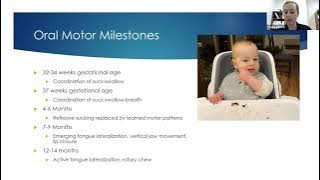
Transitioning to Solid Foods
Part of Early ECHO, Chelsey Reiter discusses helping kids transition to solid foods.

Dad Involvement in Early Intervention
Part of Early ECHO, Ty Aller discussed dad involvement in early intervention.

Adult Learning Principles Every Early Interventionist Should Know
Part of Early ECHO, Dana Childress discusses adult learning principles that every early interventionist should know.

Newborn Hearing Screening
Part of Early ECHO, Kevin Baird discusses newborn hearing screenings.

Walk Through the System
Part of Project SCOPE, Kyla Clark discusses the DCSF System and how it affects providers.

Improving Engagement and Education Around Early Intervention with Spanish/LatinX Families
Part of LTSAE Diversity ECHO, Jason Fox discusses improving engagement and education around early intervention with Spanish and LatinX families.

Cultural Considerations in Early Social-Emotional and Behavior Development
Part of LTSAE Diversity ECHO, Christina Ledezma discusses cultural considerations in early social-emotional and behavior development.

Having Difficult Conversations with Lanae Kimber
Part of Project SCOPE, Lanae Kimber discusses empathy, having difficult conversations, trauma, and a lot more.

4 Steps of Early Identification and Revised CDC's Milestones
Janel Preston, Utah's Learn the Signs. Act Early. Ambassador joins us and discusses the 4 steps of early identification and the revised CDC milestones. She shares the reasoning behind the changes, how providers can use the milestones, and why they matter....

Apraxia
Part of Early ECHO, Page Maughan discusses apraxia and how it impacts children.

Health Disparities in Developmental Screening and Identification in Young Children
Part of LTSAE Diversity ECHO, Michelle Villalobos discusses autism and health disparities in developmental screening and identification in young children.

Vision Impairments
Part of Early ECHO, Denise Johnson discusses vision impairments. She explains different impairments providers might come across, resources and techniques to treat them, and so much more.

Trauma, Substance Exposure, and Sensory Concerns
Part of Project SCOPE, Pat Boyle discusses trauma, substance exposure, and sensory concerns. She shares the technique for a swaddled bath, which some participants call a miracle worker.

Peer Mentors
Part of Project SCOPE, Karissa Macdonald and Vanessa Genova share their personal experiences with addiction, recovery, and fighting for their children.

Nutritional Considerations in Early Childhood
Part of Early ECHO, Sydney Abbott discusses nutrition and the different considerations early childhood providers take into account.
Nutritional Considerations in Early Childhood
Part of Early ECHO, Sydney Abbott discusses nutrition and the different considerations early childhood providers take into account.
Trauma and the ARC Framework
Part of Project SCOPE, Madison Elliot and Britney Bird discusses trauma and the ARC framework, which stands for attachment, regulation, and competency. They discuss what trauma is, how it affects children, what the ARC framework is, and why it's important...

Implicit Biases
Part of Project SCOPE, Heather Sarin discusses implicit biases and how it effects those who work with babies and families affected by NOWS.
Implicit Biases
Part of Project SCOPE, Heather Sarin discusses implicit biases and how it effects those who work with babies and families affected by NOWS.

Early Detection of Cerebral Palsy
Part of Early ECHO, Dr. Lauren Ayala discusses early identification of cerebral palsy.

Trauma, Substance Exposure, and Language Development
Part of Project SCOPE, Jamie Mecham discusses how trauma and substance exposure affects language development in children.

Dealing with the Epidemic of NOWS
Part of Project SCOPE, Dr. Camille Fung, M.D. discusses what NOWS is, the history behind it, the effects of the opioid pandemic, and more.

Genetic Navigator Outreach
Part of Early ECHO, Kristi Wees, MS discusses the Genetic Navigator Outreach Program at Mountain State Regional Genetic Network.

Project SCOPE: Moving Prevention Upstream
Part of Project SCOPE, Heidi Dutson, a certified prevention specialist, discusses moving prevention upstream and how to address risk and protective factors that impact healthy youth development.

Pregnancy and Substance Use
Part of Project SCOPE, Dr. Casey Tak, PhD, MPH discusses substance use and the effects it has on fetal development during and after pregnancy.

Supporting Students on the Autism Spectrum
During an Early ECHO session, Dr. Tom Higbee discusses what autism is and how we can better help children and families with autism so much more.

Physical Therapy Conditions in Common Pediatric Conditions
Part of Early ECHO, Curt Phillips discusses the basic of physical therapy. He shares suggestions and tips for early interventionists and other professionals to know when to refer families to a physical therapist.

The Importance of Functional Communication
Part of Early ECHO, Shelby Clark, MS, discusses functional communication and why it is so important.

Low Tech Assistive Technology - Positioning
Part of Early ECHO, Kirsten Aalberg discusses positioning and different ways providers can use low tech assistive technology within the early intervention field.

Systems of Care Organizing the Community of Practice
Part of Project SCOPE, Sue Olsen discusses systems of care and organizing the community of practice.

Language Outcomes and Trauma
Part of Project SCOPE, Jamie Mecham discusses trauma and language outcomes. She discusses what trauma is, how it effects children, and what providers and healthcare workers can do to help.
Self Care During Uncertain Times
Part of Early ECHO, Nancy Subrook-Goins discusses self care during uncertain times. She shares what self care is, why it's important, how we can do it, and so much more.

Trauma and the ARC Framework
Part of Project SCOPE, Veronica Love and Samantha Smith discusses trauma and the ARC framework.
Neonatal Abstinence Syndrome
Part of Project SCOPE, Dr. Camille Fung discusses the epidemic Neonatal Opioid Withdrawal Syndrome (NOWS).

Caregiver Coaching via Tele-Practice
Part of Early ECHO, Dr. Anne Larson discusses caregiver coaching via tele-practice to help encourage family engagement and positive child outcomes in early intervention.

How to Have Difficult Conversations with Compassion
Part of Project SCOPE, Katelyn Oliver discusses how to have difficult conversations with compassion.

Developmental Monitoring and Implicit Bias
Part of Project SCOPE, Heather Sarin discusses developmental monitoring and implicit bias.

Parents of Children with Disabilities in COVID-19
Part of Early ECHO, Mary Beth Bruder discusses parents of children with disabilities in COVID-19.
Moving Prevention Upstream
Part of Project SCOPE, Heidi Peterson discusses moving prevention upstream and how to address risk and protective factors that impact healthy youth development.

Pregnancy for Women with Substance Use Disorders
Part of Project SCOPE, Marcela Smith discusses pregnancy for women with substance use disorders.

Constraint Induced Movement Therapy in Pediatric Practice
Part of Early ECHO, Megan Shelly discusses constraint induced movement therapy in pediatric practice.

IDRPP Project Offers Free Training to Early Intervention Professionals
Rural Utah’s early intervention professionals sometimes work in isolation. But outside of attending a conference, which takes time and money, they may have few opportunities to draw from other professionals’ expertise—until now.

Overview of the Routines-Based Interview
Part of Early ECHO, Summer Gunn discusses routines-based interviews.

A Conversation About Using Technology to Enhance EI Services
Part of Early ECHO, Larry Edelman discusses using technology to enhance early intervention services.
Neurological Emergency - Early Intervention for Deaf and Hard of Hearing Children
Part of Early ECHO, Stephanie Morgan discusses early intervention for deaf and hard of hearing children.
An Introduction to Project ImPACT
Part of Early ECHO, Katherine Pickard discusses Project ImPACT.

Supporting Children with Social Communication Delays and ASD
Part of Early ECHO, Katherine Pickard and Nicole Hendrix discuss supporting children with social communication delays and ASD.
IDRPP-USU: Early ECHO June: Low Vision
Lacey Long focused on vision impairment and low vision. Key points included the importance of early vision development, with milestones from birth to 12 months. She emphasized the need for functional vision evaluations and the use of assistive technology,...
Test Page
The red fox jumped over the moon.
Feeding Series Part 2: Typical Feeding Development Birth to Three
Part of Early ECHO's 2023 Feeding Series, Pat Boyle discusses the typical development of children from birth to three years old.
Social Communication Part 1
Part of Early ECHO, Stacy Manwaring introduces this four-part series on Social Communication.
Vision Impairments
Part of Early ECHO, Denise Johnson discusses vision impairments. She explains different impairments providers might come across, resources and techniques to treat them, and so much more.
Grandfamilies
Part of Time to Act: Substance Abuse ECHO, Alyssa Craven introduces the Children's Service Society's Grandfamilies program.