
Preventing Violence Toward People with Disabilities
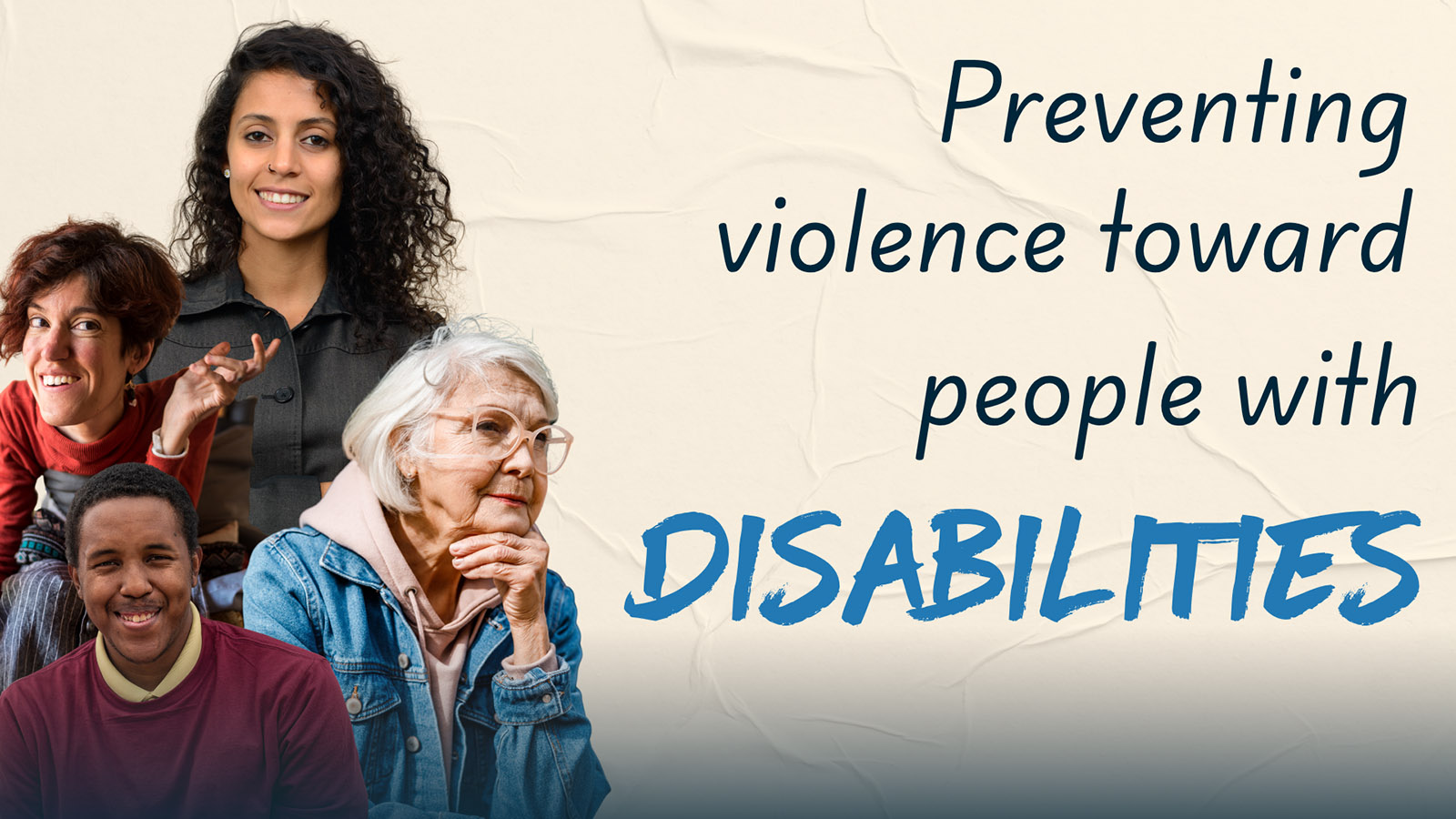
Plus: resources for professionals, families and individuals
People with disabilities face higher risks for abuse. They are often reliant on caregivers in isolated settings and are often left out of education on sexuality, consent, and healthy relationships. And, sadly, they are less likely than their non-disabled peers to have the option to report abuse, or to be believed if they do.
Their rate of violent victimization is nearly four times higher than those without disabilities, according to a 2021 report from the US Department of Justice. If abuse is reported, it is less likely to be prosecuted.
A 2023 needs assessment, led in Utah by IDRPP researcher Alex Schiwal, uncovered more information about the barriers people with disabilities face when trying to access information and supports for sexual health and relationships. In this needs assessment survey, one professional shared, “There are not a lot of trauma informed and responsive services for people with disabilities to include adaptive interventions, transportation, and access to DV shelters. In fact, they will deny someone with a disability because they do not have the ability to help them in the DV shelter; it has happened to two of my survivors.” Domestic violence shelters are often inaccessible or unequipped to provide services, due to a lack of training and resources.
Schiwal recently presented at the 2026 Northern Utah Conference to End Violence in Logan, to share information with service providers who work with victims of domestic violence about risk factors and resources for individuals with disabilities.
In the Utah needs assessment, nearly all respondents said more training and information is needed on this topic, but less than one-third of them knew where to find it.
Information can go a long way toward preventing abuse. For the people with disabilities who receive training, “it empowers them, it gives them agency, and it gives them the knowledge of what is appropriate,” Schiwal said.
For caregivers, training can help them recognize the signs of abuse. For example, does the person suddenly display a change in attitude, appearance or behavior?
For shelters, training can help them better accommodate the people with disabilities who come into their doors. They can learn to speak directly to the person with disabilities, rather than the person who came in with them, and to make sure their building can be accessed and navigated by someone in a wheelchair.
For all participants, receiving this type of training can reduce the stigma around sexuality, relationships, and disability. This can lead to sharing information that gives everyone a full spectrum of resources to make healthy and informed choices about their lives and bodies.
Here is a list of training programs and information on this important topic.
IDRPP Disability and Healthy Relationships Professional Training Series
This monthly 90-minute online training ECHO series is for professionals, or any interested participants. It includes a one-hour presentation from rotating experts and 30-minute discussion and case support for participants. Session recordings are available on the website.
TETONS (Teaching, Empowering & Training on Navigating Sexuality and Healthy Relationships Course)
This comprehensive class maps a road to relationships, sexuality, and self-determination for individuals with disabilities (classes for age groups 13+). The Utah Parent Center, in partnership with Utah Developmental Disabilities Council, created this curriculum to meet the needs of self-advocates.
Online Self-Paced Training
Offered through Planned Parenthood, a leader in preventative health and education, these multiple, free, and self-paced courses teach about abuse prevention, healthy relationships, consent, and appropriate behaviors for individuals with disabilities, caregivers, and professionals.
You can find more resources and trainings for professionals, individuals, and families/guardians on the USU IDRPP Disability & Healthy Relationships project site.