
DDNJ Author Insights Podcast Episode 21: LEND Programs
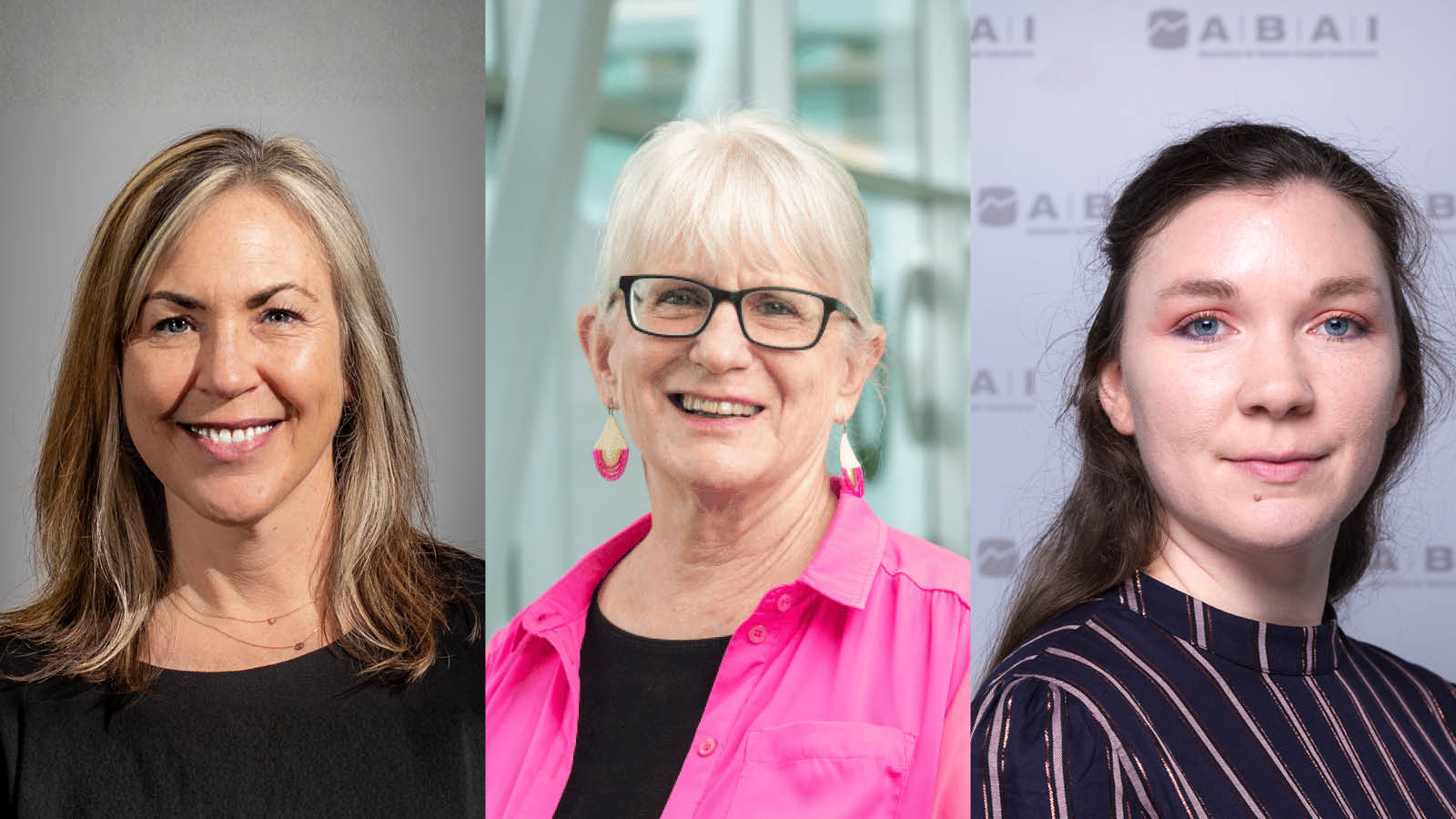
New Mexico LEND Director Marcia Moriarta, Alaska Lend Training Director Jenny Miller (now retired)
and Alaska LEND Director Rachel White.
¿Le gustaría leer este artículo en español? Cambiar a Español
The latest DDNJ Author Insights Podcast focused on LEND (Leadership Education in Neurodevelopmental Disabilities) programs, and how they build understanding between practitioners, families and communities.
Like the Institute for Disability Research, Policy & Practice, LEND programs are part of the Associated Centers for Excellence on Developmental Disabilities network. Their focus is on interdisciplinary training. By design, LEND programs bring together practitioners, future practitioners, and people with disabilities and their families.
“I really wanted to focus on the importance of LEND programs in building rural capacity,” said Matthew Wappett, podcast host and IDRPP executive director. In the episode, he interviews LEND leaders from the University of Alaska Anchorage and The University of New Mexico.
You can listen on the player below, or via Apple Podcasts, Spotify and the DDNJ Author Insights Podcast page.
Story continues below.
LEND Programs and the Interdisciplinary Approach
Guest Marcia Moriarta, Ph.D, directs both the Center for Development & Disability (a sister organization to IDRPP in New Mexico) and New Mexico's LEND program. Her beginnings with LEND were as a psychology intern in a LEND program in Los Angeles, California, with plans to be a child family therapist.
“It would never have occurred to me to think about what going to the dentist is like for a child with a disability, until this was brought to my attention,” she said. In a LEND program, “you have this ability to just have these very profound, sticky experiences that change practice, change relationships on both sides of the fence.”
“That interdisciplinary piece, I think, is something that I didn't get in my own professional training until I started working in settings where that was prioritized,” said Rachel White, who directs the LEND program in Alaska. “Having all of those different perspectives come together and also hearing from families and individuals with lived experience and disability helps to kind of make a more well-rounded perspective.
“Often the disciplines are very much focused on just one aspect, and don't necessarily … hear all of those perspectives, and maybe have some uncomfortable conversations where those perspectives differ significantly.” In an interdisciplinary approach, she said, practitioners “figure out how to work together, because really, we are all working towards the same end goal.”
LENDs' Impact On Communities
LEND programs also foster innovation. “We have a trainee applying this year who actually runs a nonprofit she's called Three Sisters Kitchen,” Moriarta said. “And they do a lot of food training and teaching and building entrepreneurs in the community. ... The woman who runs this has acquired blindness in the past three years, and [she] would really like to make it a space where she can be inclusive of people with disabilities and understand the nutritional needs, and how food, which is so basic to all of us, is a part of disability.”
LEND programs also foster networking and advocacy at every level. “Alaska has difficulties with workforce development,” said Jenny Miller, the Alaska LEND training director. “Recruitment and retention are huge problems. So the whole idea of taking expertise out to communities and giving someone some added tools to their toolkit can really go a long way in not only services to families, but also in really growing more professionals that are interested in this kind of interdisciplinary work.”
LENDs Build Leaders
“LEND is like these tentacles that infiltrate,” Moriarta said, “and we're constantly looking like, 'How do we pair this with this, and make more impact in this rural community, or get that provider over there where the need is?' The family voices are also really important too. We have had a lot of LEND trainees who are either parents, family members who are living in rural communities that participate in LEND and really demonstrate the challenges to our trainees. [It] kind of motivates them, I think, to want to work more in those spaces.
“We're training clinical psychologists and SLPs and psychiatrists, but increasingly, like this year, more than half of our training group are people who are training to be professionals, but also identify as individuals with a disability. Which one of the things we're really looking to do consciously, is build disabled professionals in the field.”