
IDRPP ECHO Network Takes On Substance Use, Stigma
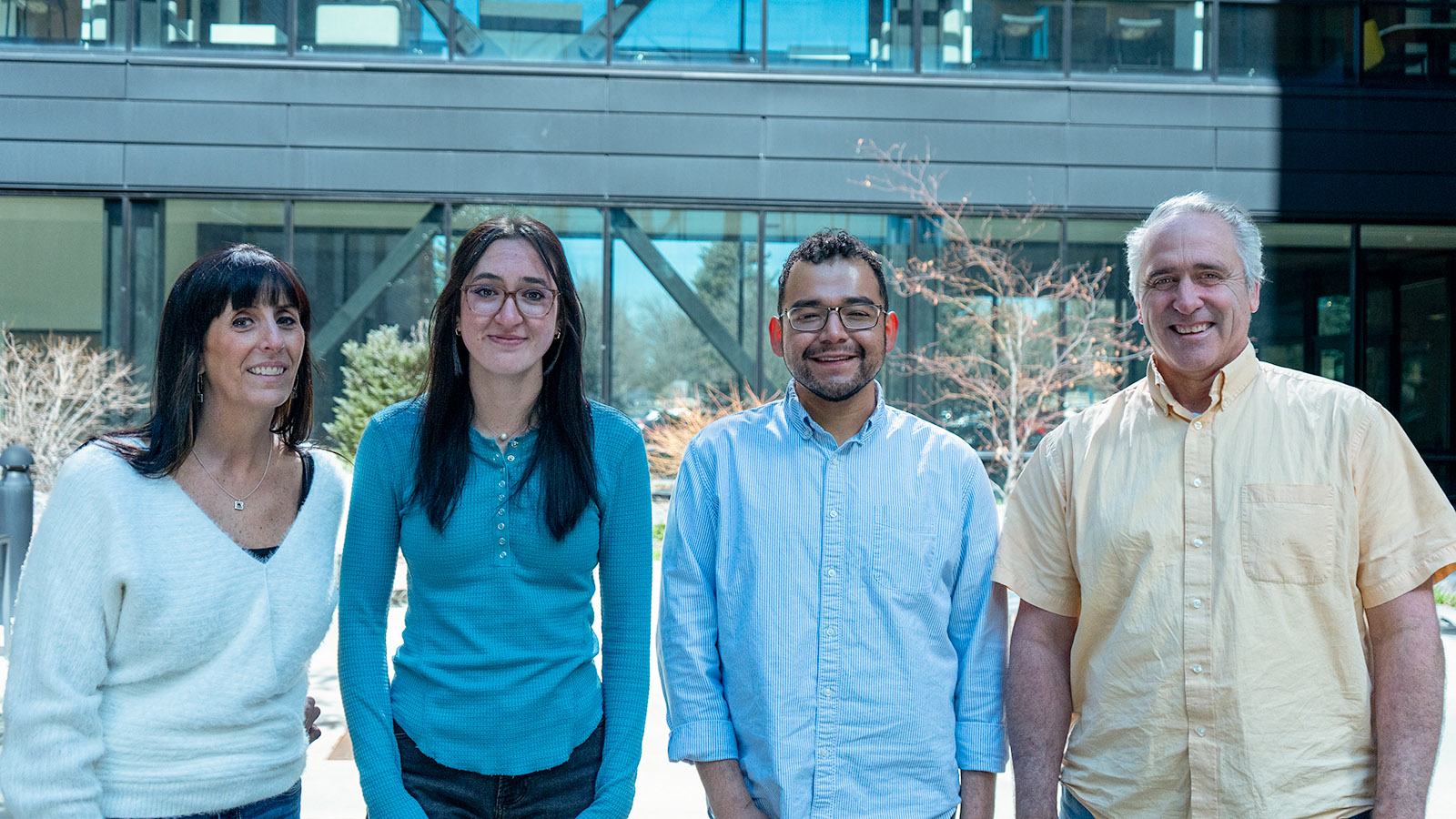
ECHO team lead Janel Preston with team members Tori Kunz and Leo Vazquez,
and Services Division Director Curt Phillips
Now in its third year of operation, The Time To Act ECHO: Substance Abuse network has engaged service providers in 25 Utah counties. The network also extended to participants in 19 other states. Its work is one more step in holding critical conversations around substance use disorder (SUD) in areas that need it the most.
The SUD ECHO network is one of many offerings by Project ECHO.
The sessions follow the ECHO model, which invites all participants to teach and learn from each other. Throughout the project, each session brought together 25 professionals on average, for a total of 23 learning sessions. Participants came from early childhood, medical, behavioral health, and administrative fields, and many of them served rural counties.
Of those professionals, 69 percent said they were confident they could implement what they learned and 78 percent shared the information with colleagues.
Utah’s prevalence of substance abuse disorder is nuanced; its SUD rate is the lowest in the nation, at 14 percent (18 percent is the national average). But Utah’s death rates from drug overdose have risen over the past 10 years, peaking at 596 in 2023. Rates are highest in north eastern and central eastern Utah, in non-urban counties.
Urban or rural, those deaths are preventable.
“It affects everyone,” said Shanel Long, administrator in Utah’s Department of Substance Abuse and Mental Health (SAMH). Over the COVID years, the department noticed an increase of SUD among older Utahns. Substance abuse is often generational as well, she said, as children who grow up in households with SUD are more likely to develop it themselves. Several rural counties are also witnessing high rates of substance abuse.
Conversations on the topic are needed, she said, at the local, state and national level.
Talking about substance use disorder helps break down one of the major barriers identified in a 2025 update to the Utah Behavioral Health Master Plan: Stigma.
Families don’t always want to share that a member is experiencing substance use disorder, said Janel Preston, who leads the IDRPP ECHO program. According to the behavioral health master plan, 20 percent of adults reporting behavioral health needs also reported being afraid of what people would say about them if they sought treatment. Would they be told they needed medication? Nine percent worried they might lose their job, home or children.
“It doesn’t mean they don’t want support,” Preston said. “It often means they fear judgement, stigma or involvement from outside systems.” By joining the ECHO network, providers can—and do—learn to better reach those families and remove those barriers.
“We work on treating it like a disease, not a burden on someone’s character,” said Rob Timmerman, a substance abuse prevention administrator with SAMH. He works primarily with the schools, and Utah has seen some improvement in risk factors and indicators among Utah’s youth.
“Protective factors” help keep substance use among Utah’s youth down, he said; things like family connections and prosocial involvement. However, SUD is such a taboo subject, he has run into resistance studying it or talking about it, even if the goal is prevention.
“People can face some stigma in a medical setting, too,” said Leo Vazquez, an ECHO support staffer and presenter. “I think once we talk about it in these sessions with the providers, then hopefully that lessens the stigma around substance use disorder. Perhaps they’ll just see them in a different light. … There’s a lot of preconceived notions about people who use substances without really knowing their full story, or without really knowing them as a person.”
“By approaching all families with compassion, curiosity, and a strengths‑based mindset,” Preston said, “providers can create a safe environment where caregivers feel comfortable opening up. This allows the team to better understand the child’s experiences, respond to developmental or behavioral needs proactively, and connect families to resources without shame or pressure.”
While telehealth has made it easier to treat SUD in rural areas, people may still need to travel to receive inpatient care. Service providers, too, may feel more isolated than their city counterparts, who are more likely to work with a large group of other professionals. The ECHO network helps bridge that gap, giving service providers a community of peers and experts to draw from.
Through both subject experts and case-based learning, participants discover resources like housing aid, food assistance, and support for grandfamilies or children with disabilities or family crisis nurseries.
“Everybody brings resources that maybe others didn’t know about,” Preston said.
To register for future Substance Use ECHO sessions, visit their website. To view past sessions, visit their YouTube playlist.